DUI in Texas

If your child was stopped by police and charged with a DUI in Texas, the situation can feel overwhelming. The laws that apply to minors are different from those that apply to adults, the consequences are real, and the decisions you make in the first few days matter. This resource is designed to help you understand exactly what your family is facing, what the law says, and how a Houston DUI lawyer may be able to help.
Texas has a zero-tolerance policy for underage drinking and driving; that means a minor does not need to be impaired to face a DUI charge. Even a trace of alcohol can trigger a criminal case. Understanding how these charges work, how they differ from adult DWI cases, and what happens next is the first step toward making informed decisions for your child's future.
Understanding DUI vs. DWI in Texas
Many people use the terms DUI and DWI interchangeably, but in Texas, they are two distinct legal charges with different standards, different courts, and different consequences. Knowing which charge applies to your situation is the starting point for any defense.
How Texas Defines DUI
Under the Texas Alcoholic Beverage Code Section 106.041, a DUI (Driving Under the Influence) applies exclusively to minors, meaning anyone under the age of 21. A minor can be charged with DUI if they are found to have any detectable amount of alcohol in their system while operating a motor vehicle. There is no minimum blood alcohol concentration required for a DUI charge, which means even one drink can be enough to support a charge.
| DUI | DWI | |
|---|---|---|
| Who it applies to | Drivers under 21 only | All drivers, including minors |
| Legal standard | Any detectable amount of alcohol (zero tolerance) | BAC of 0.08% or higher, or impaired mental/physical faculties |
| First-offense charge level | Class C misdemeanor | Class B misdemeanor |
| Court | Municipal or justice of the peace court | County or district criminal court |
How Texas Defines DWI
DWI (Driving While Intoxicated) is a separate offense that applies to both adults and minors, but it carries a much higher burden for the prosecution. Under Texas Penal Code Section 49.04, a person is legally intoxicated when their blood alcohol concentration reaches 0.08% or higher, or when alcohol or drugs impair their normal use of mental or physical faculties. A minor charged with DWI faces the same adult criminal process and penalties that apply to drivers 21 and older.
Why the DUI vs. DWI Distinction Matters
The distinction between DUI and DWI in Texas determines which court handles the case, which penalties apply, and what legal options may be available. A Class C DUI for a minor is typically handled in a municipal or justice court, while a DWI charge may move through district or county criminal court.
The charge level also affects whether a conviction appears on an adult criminal record, which has direct implications for a young person's future educational and professional opportunities. Understanding which charge your child faces is the foundation of any legal strategy.
Many times people are confused about what a DUI is in Texas. Many people call me and tell me that they were arrested for a drug DUI. They think that DUI is Driving Under the Influence (of drugs).
Texas DUI Laws for Minors
Texas enforces some of the strictest underage drinking and driving laws in the country. A zero-tolerance standard means the legal analysis does not hinge on impairment. It hinges on detection.
The Legal BAC Threshold Under 21
For drivers under 21, Texas law sets the legal blood alcohol limit at zero. Any detectable amount of alcohol in a minor's system while driving is enough for a DUI charge under the Alcoholic Beverage Code. This standard is fundamentally different from the 0.08% threshold that applies to adult DWI cases, and it reflects the legislature's intent to discourage any alcohol use among underage drivers entirely.
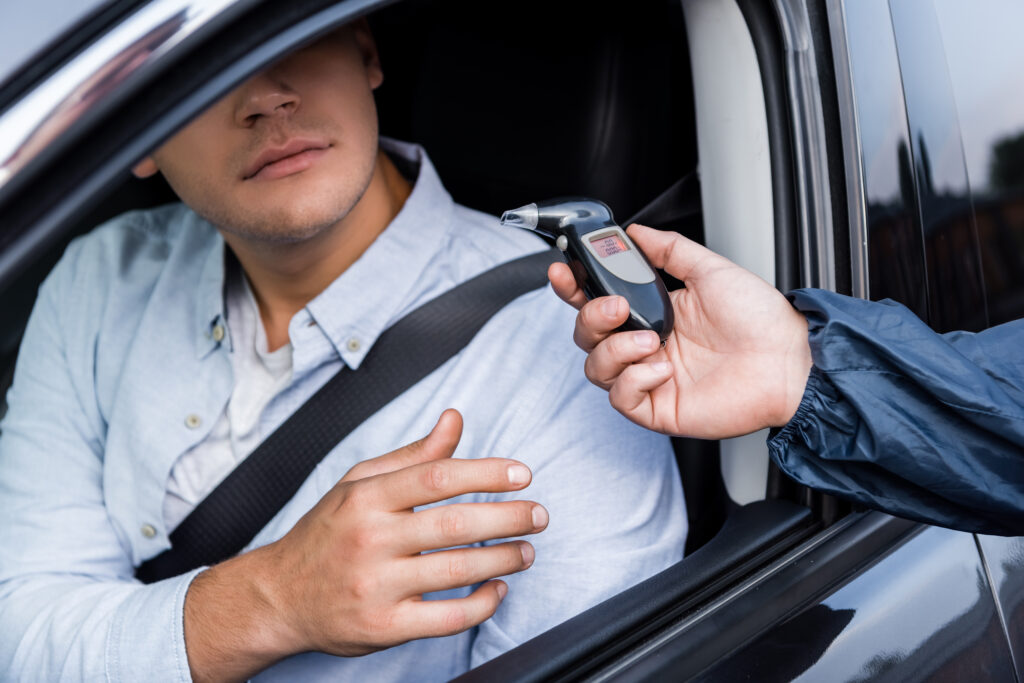
Law enforcement officers can make a DUI arrest based on the odor of alcohol, a failed field sobriety test, or a positive preliminary breath test, even when impairment is not obvious.
Class C DUI Penalties in Texas
A first-offense DUI for a minor is typically classified as a Class C misdemeanor, the same level as a traffic ticket, but the consequences go beyond a fine. Penalties for a Class C DUI in Texas can include a fine of up to $500, mandatory community service between 20 and 40 hours, mandatory attendance at an alcohol awareness course, and a 60-day driver's license suspension.
Subsequent offenses carry steeper penalties, including higher fines, longer suspensions, and the possibility of a Class B misdemeanor charge. The collateral consequences of even a first offense can extend well beyond the courtroom.
How Minor DUI Cases Are Processed in Texas
Minor DUI cases in Texas are typically handled in justice of the peace courts or municipal courts, depending on the jurisdiction. Because these cases involve minors, they can also intersect with juvenile case procedures depending on the circumstances. The process generally begins with a traffic stop, followed by a citation or arrest, and then a court appearance where the minor must enter a plea. Since many of these cases involve younger defendants who have never been in the legal system, the procedural steps can feel disorienting for families.
Having legal representation before the first court date gives families the opportunity to understand what the prosecution must prove and what options may be available for the minor's defense.
Consequences of an Underage DUI in Texas
A DUI charge is not just a legal problem. It can affect a young person's life in ways that outlast the case itself. Families should understand the full scope of what a conviction can mean before deciding how to respond.
Driver's License Suspension
A conviction for underage DUI in Texas results in an automatic driver's license suspension. For a first offense, that suspension lasts 60 days. A second offense triggers a 120-day suspension, and a third offense can result in a suspension of up to 180 days.
Beyond the suspension itself, the Texas Department of Public Safety may also require the minor to complete additional steps before their license is reinstated, including paying reinstatement fees and providing proof of completing required courses. Losing a license at 16, 17, or 18 can disrupt school attendance, work schedules, and daily life in meaningful ways.
Impact on Criminal Records
A DUI conviction can appear on a minor's criminal record, even when the offense is classified as a Class C misdemeanor. In Texas, certain juvenile records may be eligible for expunction or nondisclosure depending on the outcome of the case and the minor's age, but an adult criminal record is a different matter entirely. Colleges, universities, scholarship programs, and employers routinely conduct background checks, and a DUI conviction can raise red flags that affect admission decisions, financial aid eligibility, and hiring outcomes.
How the case is resolved, whether through a dismissal, deferred adjudication, or conviction, determines what can be done about the record afterward.
Long-Term Effects on Education and Employment
The consequences of a minor DUI conviction in Texas extend into adulthood in ways that are not always obvious at the time of the charge. Some professional licensing boards in Texas ask applicants to disclose prior criminal convictions, including misdemeanors, which can complicate paths to careers in healthcare, law, education, or finance. Federal student loan eligibility can also be affected by drug or alcohol-related convictions in some circumstances.
The long-term picture reinforces why it is worth taking even a Class C DUI charge seriously and understanding what legal options may be available before a case is resolved.

How a Houston DUI Lawyer May Help
Facing a DUI charge as a minor or as a parent of a minor is stressful. A Houston DUI lawyer who understands Harris County juvenile and criminal law can help families make sense of the process and identify what options may exist.
What Happens During a Case Review
The first step in any DUI defense is reviewing the facts of the arrest. An attorney will examine the reason for the traffic stop, how the officer conducted the investigation, whether the breath or blood test was administered correctly, and whether the minor's rights were protected throughout the encounter. These details matter because errors in the arrest process or problems with how evidence was gathered can affect whether that evidence is usable in court.
A thorough case review helps establish the actual strength of the prosecution's case and identifies where legitimate questions exist.
Possible Defenses to Explore in Underage DUI Cases
No two DUI cases are identical, and the defenses available depend on the specific facts. In some cases, the traffic stop itself may have lacked legal justification, which can affect the admissibility of everything that followed. In others, the testing equipment may not have been properly calibrated, or the field sobriety test may have been administered incorrectly.
In some juvenile DUI cases in Texas, the prosecution may also be open to alternatives such as deferred adjudication, which can allow a minor to avoid a formal conviction if they complete certain conditions. An attorney can evaluate which arguments are supported by the evidence in a specific case.
What to Expect Procedurally in Houston and Harris County
In Houston and Harris County, DUI cases for minors typically move through municipal or justice courts depending on where the stop occurred. The timeline from citation to resolution can vary widely based on court schedules, whether a plea is entered, and whether the case proceeds to a hearing. Throughout the process, the minor will generally be required to appear in court, and missing a court date can result in additional charges or a license suspension.
Working with a DUI lawyer from the start helps ensure that deadlines are met, paperwork is handled correctly, and the minor's rights are protected at every stage of the case.
Frequently Asked Questions About Underage DUI in Texas
Texas DUI laws for minors raise a lot of questions, especially for families who have never dealt with the legal system before. The answers below address some of the most common concerns. For questions specific to your child's case, speaking directly with a Houston DUI lawyer is the most reliable way to get accurate guidance.
What Is the Difference Between DUI and DWI in Texas?
In Texas, DUI applies only to minors under 21 and is based on a zero-tolerance standard, meaning any detectable alcohol in the system can trigger the charge. DWI applies to all drivers and requires proof of intoxication, either a BAC of 0.08% or higher or impaired use of mental or physical faculties. The distinction determines the court that handles the case, the potential penalties, and the available defenses.
Can a Minor Be Charged With DWI Instead of DUI in Texas?
Yes, a minor can be charged with DWI in Texas if the evidence supports it. If a minor's blood alcohol concentration meets or exceeds 0.08%, or if the prosecution can show impairment, the charge can be elevated to DWI, which carries significantly harsher penalties. DWI is an adult criminal charge and is processed in county or district criminal court rather than municipal or justice court.
Will a Minor DUI in Texas Show Up on a Background Check?
Whether a minor DUI appears on a background check depends on how the case was resolved and the minor's age at the time of the offense. Convictions in adult court are generally visible on criminal background checks, while some records from juvenile proceedings may be sealed or eligible for expunction. An attorney can advise on what record-clearing options may be available after a case is resolved.
What Happens if My Child Refuses a Breath Test?
Under Texas's implied consent law, any driver who operates a vehicle on a public road is considered to have consented to a breath or blood test if lawfully arrested for a DUI or DWI offense. Refusing the test can result in an automatic driver's license suspension that is separate from any DUI penalty. The refusal can also be used as evidence in court, though an attorney can advise on how refusal evidence typically plays out in underage cases.
Can a Minor DUI Be Expunged in Texas?
Expunction is possible in some Texas DUI cases, but eligibility depends on several factors, including the outcome of the case, the minor's age, and whether the charge was filed in juvenile or adult court. Cases that were dismissed or resulted in a deferred adjudication that was completed may be eligible for expunction under Texas law. An attorney can evaluate whether expunction is an option and walk through the steps required to pursue it.
How Long Does a Minor's License Stay Suspended After a DUI?
A first-offense DUI conviction in Texas results in a 60-day license suspension for minors. A second offense carries a 120-day suspension, and a third offense can result in a suspension of up to 180 days. The Texas Department of Public Safety administers the suspension process, and reinstatement typically requires completing specific requirements, including paying applicable fees.
What Should I Do Immediately After My Child Is Charged with a DUI?
The most important step is to avoid letting your child make statements to law enforcement without an attorney present. Gather any paperwork from the traffic stop or arrest, including the citation, and take note of any details your child remembers about how the stop and investigation were conducted. Contacting a Houston DUI lawyer as soon as possible gives the attorney the best opportunity to review the evidence before anything is lost or court deadlines pass.
Is a First-Offense Minor DUI in Texas a Felony?
No, a first-offense minor DUI in Texas is typically a Class C misdemeanor, which is the lowest level of criminal offense in the state. However, repeat offenses or cases involving other aggravating factors can result in more serious charges. Even a Class C misdemeanor carries real consequences, including fines, license suspension, and a potential mark on the minor's record.
Contact Benavides Law Group to Discuss Your Child's DUI Case
A DUI charge under 21 in Texas is a serious matter, and the decisions made early in the process can affect how the case resolves. The Benavides Law Group represents minors and their families facing DUI and DWI charges in Houston and throughout Harris County. Our attorneys understand the laws that apply to underage cases, how local courts handle these matters, and what options may exist depending on the facts. To speak with a Houston DUI lawyer about your child's case, contact our office today for a confidential consultation.