A Houston DWI Lawyer Explains Your Rights in Texas
If you’ve ever been pulled over by police in Houston and suspected the stop might turn into a DWI investigation, you’ve probably felt pressure to answer every question the officer asks. Many drivers believe that staying quiet will make them “look guilty” or that cooperation will earn them leniency.
In reality, what you say during a DWI stop is often the most damaging evidence in the entire case.
Texas DWI cases are built largely on statements made by drivers, often before they even realize they are under investigation. Knowing which questions you are legally required to answer — and which questions you can refuse — can dramatically affect whether you are arrested, charged, or convicted.
As a Houston DWI lawyer, Eric Benavides routinely defends clients whose cases hinge on a few innocent-sounding answers given during a traffic stop. This guide explains exactly what questions you can refuse to answer at a Texas DWI stop, how officers use your words against you, and how a Houston DWI attorney can fight back.
Why Police Ask Questions During a DWI Stop
A DWI traffic stop is not a casual conversation. Officers are trained to ask questions designed to:
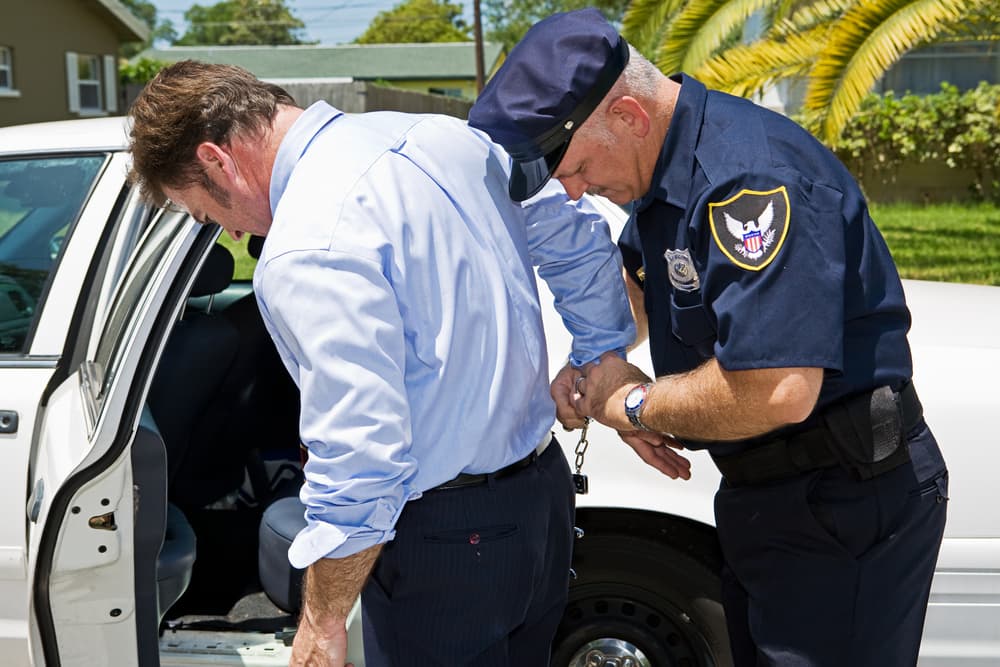
- Get you to admit drinking
- Establish probable cause for arrest
- Gather evidence for court
- Document “signs of intoxication”
- Lock you into statements that can’t be taken back
Even friendly or conversational questions are often strategic.
Everything you say can:
- Be written into the police report
- Be repeated in court
- Be used to justify your arrest
This is why understanding your rights matters.
Your Constitutional Right to Remain Silent
Under the Fifth Amendment to the U.S. Constitution and Texas law, you have the right to remain silent and not incriminate yourself.
This right applies:
- During traffic stops
- During DWI investigations
- Before arrest
- After arrest
You do not have to answer questions simply because a police officer asks them.
A Houston DWI lawyer will almost always advise clients to exercise this right politely and clearly.
Questions You ARE Required to Answer at a DWI Stop
Let’s start with what you must do.
In Texas, you are legally required to provide:
- Your name
- Your driver’s license
- Proof of insurance
- Vehicle registration
You must also comply with:
- Lawful orders to exit the vehicle
- Basic identification requests
Failing to provide identification can result in additional charges.
Questions You Can Refuse to Answer at a DWI Stop
Here’s where many drivers get into trouble.
You can legally refuse to answer investigative questions, including:
“Have You Been Drinking Tonight?”
This is one of the most common — and dangerous — questions officers ask.
Why it’s a trap:
- Saying “yes” is an admission
- Saying “just one or two” is still an admission
- Saying “no” may be challenged later
You are not required to answer this question.
A Houston DWI attorney will tell you this question is asked solely to build probable cause.
“How Much Have You Had to Drink?”
This question is designed to:
- Estimate your BAC
- Lock you into a timeline
- Create inconsistencies later
Even an honest answer can hurt you.
You can politely refuse.
“Where Are You Coming From?”
This seems harmless, but it often leads to:
- Admissions about bars or parties
- Follow-up questions about alcohol consumption
You can decline to answer.
“When Was Your Last Drink?”
Officers use this to:
- Estimate BAC
- Support breath or blood test results
- Argue “rising BAC”
This question is purely investigative and optional.
“Do You Feel Safe to Drive?”
This is a psychological trick.
If you say:
- “Yes” → officer may say you’re impaired but unaware
- “No” → admission of impairment
You can refuse to answer.
“Are You on Any Medications?”
This question can:
- Introduce drug impairment allegations
- Lead to blood testing
- Be misunderstood or misused
You are not required to discuss medical information roadside.
“Why Are Your Eyes Red / Speech Slow / Movements Sluggish?”
These questions attempt to get you to explain perceived signs of intoxication.
Any explanation:
- Can be twisted
- May be omitted or misquoted
- Often hurts more than it helps
You may remain silent.
How to Refuse Questions Politely and Legally
Refusing to answer does not mean being rude or confrontational.
You can say:
- “I choose to remain silent.”
- “I don’t wish to answer any questions.”
- “I would like to speak with a lawyer.”
Be calm, respectful, and firm.
A Houston DWI lawyer can later explain your silence to a jury if needed.
Can Refusing to Answer Questions Be Used Against You?
Legally, your silence cannot be used as evidence of guilt.
However:
- Officers may still arrest you
- Police reports may imply “uncooperative behavior”
This is where having an experienced Houston DWI attorney becomes critical — to expose these tactics in court.
The Difference Between Questions and Commands
Many drivers don’t realize the difference between:
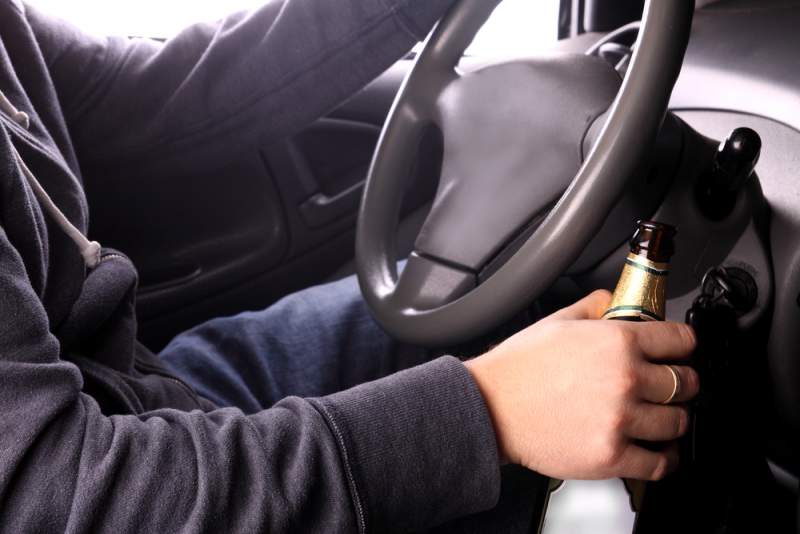
- Questions (which you can refuse)
- Commands (which you must obey if lawful)
Examples of Commands:
- “Please step out of the vehicle.”
- “Turn off the engine.”
- “Hand me your license.”
Examples of Questions:
- “How much have you had to drink?”
- “Do you feel impaired?”
Understanding this distinction protects your rights.
Field Sobriety Tests: Questions Disguised as Requests
Officers often ask:
- “Would you mind doing a few tests?”
These tests are:
- Voluntary
- Not required by law
- Designed to make you fail
You can politely refuse field sobriety tests without penalty.
A Houston DWI lawyer will almost always advise against performing them.
Roadside Breath Tests (PBTs) Are Optional
Handheld roadside breath tests are:
- Not the official breath test
- Often inaccurate
- Completely voluntary
Refusing a roadside breath test does not suspend your license.
What Happens If You Talk Too Much?
Many DWI cases are built on:
- Casual admissions
- Nervous rambling
- Attempts to explain or justify behavior
Police reports often include phrases like:
- “The driver admitted to drinking…”
- “The driver stated they felt fine to drive…”
Once said, these statements are hard to undo.
After Arrest: Questions You Can Still Refuse
Even after arrest, you still have the right to remain silent.
You can refuse to answer:
- Questions about drinking
- Questions about drug use
- Timeline questions
- Explanations of behavior
You should clearly invoke your right to remain silent and ask for a lawyer.
Chemical Tests vs. Questions
Refusing to answer questions is different from refusing:
- Breath tests
- Blood tests
Chemical test refusal triggers license suspension, but talking never helps your case.
A Houston DWI attorney can help evaluate which decisions create better defense opportunities.
Why Police Reports Often Misrepresent Conversations
Police reports are:
- Written after the arrest
- Based on memory
- Often use boilerplate language
Officers may:
- Paraphrase statements
- Omit context
- Emphasize incriminating language
Bodycam footage frequently tells a different story.
How a Houston DWI Lawyer Uses Silence as a Defense Tool
Eric Benavides often uses a client’s silence to:
- Highlight lack of admissions
- Challenge probable cause
- Undermine officer assumptions
- Create reasonable doubt
In many cases, what a client didn’t say becomes a strength.
Why Talking Does Not Prevent Arrest
Many people talk because they believe:
- Cooperation equals leniency
- Honesty will help
- The officer will “let them go”
In reality:
- Officers rarely abandon a DWI investigation once started
- Arrest decisions are often made early
- Statements mainly help the prosecution
Silence protects you — talking does not.
Why You Need a Houston DWI Lawyer After Any DWI Stop
Even if you believe you handled the stop well, small details matter.
A Houston DWI attorney can:
- Analyze whether questioning was lawful
- Challenge statements taken without proper warnings
- Suppress improperly obtained evidence
- Expose report inaccuracies
- Fight for dismissal or reduction
Why Choose Eric Benavides as Your Houston DWI Lawyer?
When your words are being used against you, experience matters.
Eric Benavides is a trusted Houston DWI lawyer and criminal defense attorney who understands how police questioning works — and how to dismantle it in court.
Clients choose Eric Benavides because he:
- Focuses on DWI and criminal defense
- Aggressively challenges police procedures
- Knows Houston and Harris County courts
- Protects clients’ constitutional rights
- Communicates clearly and honestly
A single traffic stop should not define your future.
What to Do If You Were Questioned During a DWI Stop in Houston
- Write down everything you remember
- Preserve any video or witness information
- Do not discuss the case with anyone else
- Contact a Houston DWI lawyer immediately
Early action creates stronger defenses. Sometimes the officer body cams are off!
Questioned During a DWI Stop? Get Legal Help Now

If you were stopped, questioned, or arrested for DWI in Houston, what you said — or didn’t say — matters. An experienced Houston DWI attorney can review your case and determine whether your rights were violated and how to fight the charges.
Eric Benavides – Houston DWI Lawyer – 713-222-2828
Criminal Defense | DWI Defense | Trial Representation
Confidential consultations available