If you’ve been arrested for DWI in Houston, Texas, or you’re worried about how much alcohol is “too much” before driving, understanding Texas Blood Alcohol Concentration (BAC) limits is critical. Many people assume the law is simple — 0.08% and you’re drunk — but the truth is far more complex.
As a Houston DWI lawyer, Eric Benavides regularly represents people who were arrested even though they believed they were under the legal limit, or who didn’t feel intoxicated at all. Texas DWI laws are strict, aggressively enforced, and full of hidden traps that can result in serious criminal penalties.
This guide explains:
- What BAC is and how it’s measured
- The legal BAC limits in Texas
- Why you can still be arrested below 0.08%
- BAC limits for commercial drivers and minors
- How Houston police test BAC
- What happens if you refuse a breath or blood test
- How a Houston DWI attorney can fight BAC evidence
If you or a loved one is facing a DWI charge, this information could make the difference between a conviction and a dismissal.
What Is Blood Alcohol Concentration (BAC)?
Blood Alcohol Concentration (BAC) measures the amount of alcohol in your bloodstream. It is expressed as a percentage — for example, 0.08% BAC means your blood contains 0.08 grams of alcohol per 100 milliliters of blood.
BAC increases based on several factors, including:
- Number of drinks consumed
- Time period of drinking
- Body weight and gender
- Food intake
- Alcohol tolerance
- Metabolism
- Type of alcohol
This is why two people can drink the same amount and have very different BAC levels.
What Is the Legal BAC Limit in Texas?
The Standard Legal Limit: 0.08%
For most adult drivers in Texas, the legal BAC limit is 0.08%. If a chemical test (breath or blood) shows a BAC at or above 0.08%, prosecutors can rely on that number alone to prove intoxication.
However, this does NOT mean you’re safe if you’re under 0.08%.
You Can Be Arrested for DWI Below 0.08% in Texas
This is one of the most misunderstood parts of Texas law.
Under Texas Penal Code § 49.01, a person is legally intoxicated if they:
- Have a BAC of 0.08% or higher, OR
- Do not have the normal use of mental or physical faculties due to alcohol or drugs
That means you can be arrested — and convicted — even with a BAC of 0.06%, 0.05%, or lower if the officer claims you were impaired.
As a Houston DWI attorney, Eric Benavides sees this happen often. Officers rely on:
- Field sobriety tests
- Subjective observations
- Dashcam or bodycam footage
- Slurred speech allegations
- Balance or coordination claims
These cases are highly defensible, but only if you have an experienced Houston DWI lawyer who understands how to attack weak impairment evidence.
Texas BAC Limits for Commercial Drivers (CDL)
If you hold a commercial driver’s license (CDL), the rules are much stricter.
CDL Legal Limit: 0.04%
Commercial drivers can be charged with DWI if their BAC is 0.04% or higher while operating a commercial motor vehicle.
Additionally:
- A DWI can result in automatic CDL disqualification
- Even off-duty DWI arrests can affect CDL status
- Penalties can permanently end a driving career
If you are a commercial driver facing a DWI, you need a Houston DWI lawyer experienced with CDL cases immediately.
Texas Zero Tolerance Law for Minors
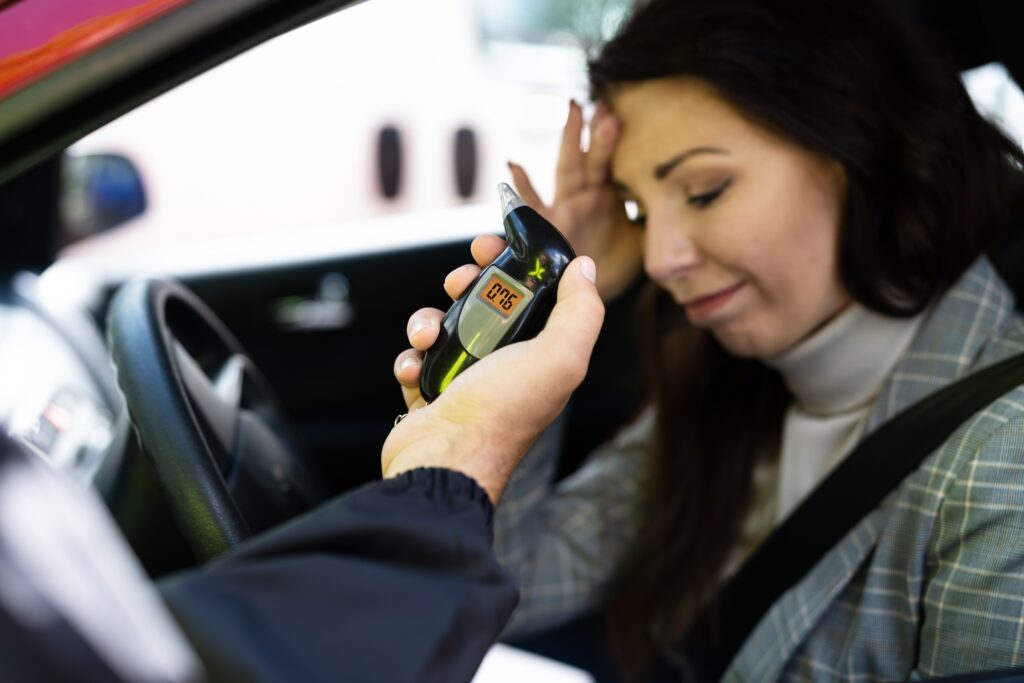
Texas has a Zero Tolerance policy for drivers under 21.
Minor BAC Limit: Any Detectable Amount
If you are under 21:
- Any detectable alcohol can lead to arrest
- You may face a DUI (minor) or DWI charge
- Penalties include license suspension, fines, and alcohol education programs
Minors do not need to be impaired to be arrested — simply having alcohol in their system is enough.
How Houston Police Measure BAC
Breath Tests (Breathalyzer)
Breath tests estimate BAC by measuring alcohol in your breath. Common issues include:
- Improper calibration
- Officer error
- Mouth alcohol contamination
- Medical conditions (GERD, diabetes)
Breath tests are far from perfect and can be challenged by a skilled Houston DWI attorney.
Blood Tests
Blood tests are often viewed as more accurate, but they also have serious flaws:
- Improper blood draws
- Chain-of-custody problems
- Lab contamination
- Fermentation of blood samples
- Delayed testing causing falsely high results
Blood evidence must follow strict legal and scientific rules. Violations can lead to suppression of results.
What Happens If You Refuse a Breath or Blood Test in Texas?
Texas has an implied consent law, meaning drivers are presumed to consent to chemical testing.
Penalties for Refusal:
- Automatic license suspension
- 180 days for first refusal
- 2 years for second refusal
However, refusing testing often helps your criminal case. Without BAC evidence, prosecutors must rely on officer testimony, which is much easier to attack in court.
A Houston DWI lawyer can request an ALR hearing to fight your license suspension — but strict deadlines apply.
BAC Levels and Their Effects
Understanding how BAC affects the body helps explain why officers often misinterpret behavior.
| BAC Level | Possible Effects |
|---|---|
| 0.02% | Slight relaxation |
| 0.04% | Minor impairment |
| 0.06% | Reduced judgment |
| 0.08% | Legal intoxication |
| 0.10% | Significant impairment |
| 0.15%+ | Severe impairment |
Important: Effects vary widely between individuals.
Enhanced Penalties for High BAC in Texas
BAC of 0.15% or Higher
If your BAC is 0.15% or more, Texas law increases penalties:
- Higher fines
- Longer jail exposure
- Enhanced probation conditions
High BAC cases require aggressive legal defense, especially regarding blood test accuracy.
Common Myths About BAC and DWI
“I only had two drinks”
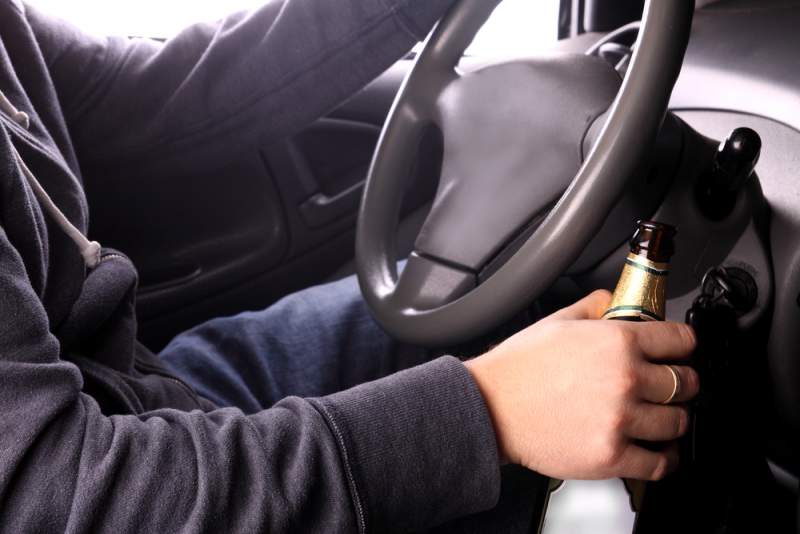
Drink size, alcohol content, and time matter more than number of drinks.
“I felt fine”
Legal intoxication doesn’t require feeling drunk.
“Breath tests are always accurate”
They are frequently wrong and challengeable.
“Refusing makes things worse”
Refusal often weakens the prosecution’s case.
How a Houston DWI Lawyer Fights BAC Evidence
An experienced Houston DWI attorney like Eric Benavides examines:
- Whether the traffic stop was legal
- Officer training and conduct
- Field sobriety test validity
- Breath machine maintenance records
- Blood draw procedures
- Lab technician qualifications
- Rising BAC defenses
- Constitutional violations
Many DWI cases are reduced, dismissed, or won at trial due to flawed BAC evidence.
Why Choose Eric Benavides as Your Houston DWI Lawyer?
Eric Benavides is a dedicated criminal defense lawyer in Houston, Texas, known for aggressive representation and personalized defense strategies.
Clients choose Eric Benavides because he:
- Focuses on DWI and criminal defense
- Understands Houston courts and prosecutors
- Challenges illegal stops and faulty BAC testing
- Fights for dismissals, reductions, and trial victories
- Treats clients with respect and transparency
A DWI arrest does not define you — but how you respond can shape your future.
Charged With DWI in Houston? Get Help Now

If you were arrested for DWI in Houston — whether your BAC was over, under, or unknown — you still have options. Texas DWI cases move fast, and deadlines matter.
Do not plead guilty without speaking to a Houston DWI lawyer.
Eric Benavides – Houston DWI Attorney
Criminal Defense | DWI Defense | Trial Representation
Schedule a confidential consultation today – 713-222-2828