If you’ve been arrested for DWI in Houston, Texas, one of the first questions you may ask yourself is:
“What happens if I refuse a breath or blood test?”
Police officers often make it sound like refusal will automatically make things worse — but the reality under Texas law is far more nuanced. In many cases, refusing a breath or blood test can actually improve your criminal defense, even though it comes with administrative penalties.
As a Houston DWI lawyer, Eric Benavides regularly represents clients who refused chemical testing and later learned that refusal helped limit the evidence against them. Understanding your rights, the consequences of refusal, and how Texas DWI law works can make a critical difference in your case.
This guide explains:
- Texas implied consent law
- Breath vs. blood test refusal
- License suspension penalties
- Administrative License Revocation (ALR)
- When police can force a blood draw
- How refusal affects your DWI case
- Defense strategies used by a Houston DWI attorney
If you are facing a DWI charge in Houston, this information is essential.
Texas Implied Consent Law Explained
Texas operates under an implied consent law, which means that by driving on Texas roads, you are deemed to have consented to chemical testing if lawfully arrested for DWI.
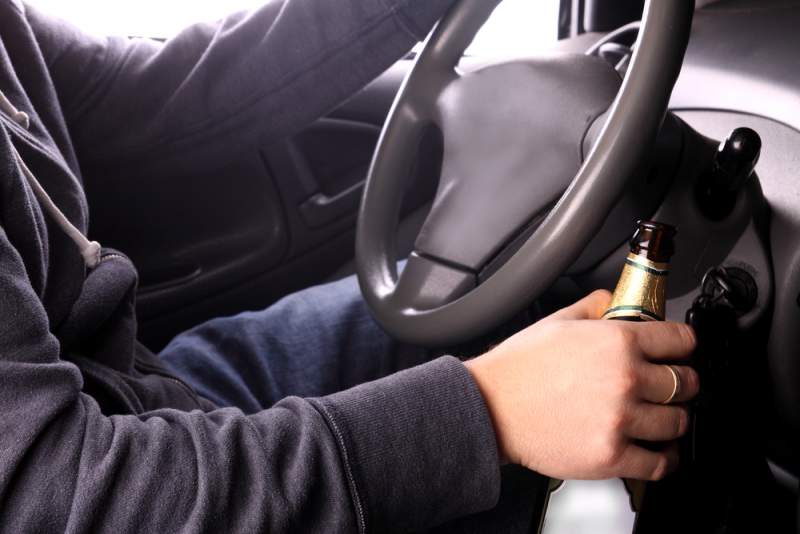
However, implied consent does NOT mean forced consent in most situations.
You generally have the right to refuse:
- A breath test
- A blood test
But refusal triggers administrative penalties, separate from the criminal case.
Breath Test vs. Blood Test in Texas
Breath Tests
- Usually conducted at the police station
- Less invasive
- Results available immediately
- More vulnerable to error
Blood Tests
- Require a blood draw
- Often done at a hospital or jail
- Results take weeks or months
- Prosecutors consider them stronger evidence
Because blood tests often produce higher and more permanent evidence, many Houston DWI attorneys consider refusal a smart legal move in certain situations.
What Happens If You Refuse a Breath or Blood Test?
Refusing a chemical test does not mean your case is over — but it does trigger the Administrative License Revocation (ALR) process.
Immediate Consequences of Refusal
- Police confiscate your driver’s license
- You receive a temporary driving permit
- The state begins the ALR suspension process
You are not convicted of DWI simply for refusing.
Administrative License Revocation (ALR) After Refusal
ALR is a civil proceeding, completely separate from your criminal DWI case.
License Suspension for Refusal
If you refuse testing:
- First refusal: 180-day license suspension
- Second refusal: 2-year license suspension
This suspension applies even if your DWI case is dismissed.
You Have Only 15 Days to Fight License Suspension
This is one of the most critical deadlines in Texas DWI law.
You have 15 days from the date of arrest to request an ALR hearing.
If you miss this deadline:
- Your license is automatically suspended
- You lose the chance to challenge the officer’s actions
A Houston DWI lawyer can:
- Request the hearing
- Subpoena the arresting officer
- Cross-examine the officer under oath
- Challenge probable cause and arrest legality
Many ALR cases are won, preserving your driving privileges.
Can Police Force a Blood Draw If You Refuse?
Sometimes — but not always.
When Police Can Get a Blood Draw
Police may obtain a blood sample if:
- They get a search warrant, or
- Certain limited statutory exceptions apply
In Houston, police frequently seek electronic warrants late at night.
However, warrants can be challenged if:
- They lack probable cause
- They contain false statements
- Procedures were improper
- The blood draw was mishandled
An experienced Houston DWI attorney can often suppress illegally obtained blood evidence.
Does Refusal Automatically Make Your Case Worse?
No.
In fact, many DWI defense lawyers prefer refusal cases.
Why Refusal Can Help Your Defense
- No BAC number for prosecutors to rely on
- Case depends heavily on officer testimony
- Video evidence often contradicts police reports
- Field sobriety tests are subjective and flawed
Without chemical test results, prosecutors must prove intoxication beyond a reasonable doubt using weaker evidence.
Can the Jury Hear That You Refused?
Yes — but context matters.
Prosecutors may argue that refusal shows “consciousness of guilt.” However, a Houston DWI lawyer can counter this by explaining:
- Fear of invasive testing
- Mistrust of faulty machines
- Prior negative experiences
- Exercise of constitutional rights
Jurors often understand refusal when properly explained.
Refusal vs. Failed Test: Which Is Worse?
This depends on the facts, but in many cases:
- Failing a test gives prosecutors strong numerical evidence
- Refusing limits evidence and creates defensible issues
From a defense perspective, refusal often creates more leverage for dismissal, reduction, or acquittal.
What If You Refuse and Still Get Charged?
Refusal does not stop the arrest or prosecution.
You can still be charged with:
- DWI
- DWI with child passenger
- Felony DWI (repeat offenses)
However, refusal often weakens the state’s case significantly.
Field Sobriety Tests Still Matter
Even without chemical testing, police rely on:
- Horizontal Gaze Nystagmus (HGN)
- Walk-and-turn
- One-leg stand
These tests are:
- Designed to produce “failure”
- Highly subjective
- Often administered incorrectly
A Houston DWI attorney can attack these tests effectively.
Medical and Scientific Issues With Chemical Testing
Chemical tests are far from perfect.
Breath Test Problems
- Calibration errors
- Mouth alcohol
- Acid reflux (GERD)
- Diabetes
- Improper observation periods
Blood Test Problems
- Chain-of-custody violations
- Fermentation of samples
- Contamination
- Improper storage
- Lab technician errors
Refusal avoids these issues entirely.
Can You Still Get an Occupational License After Refusal?
Yes, in many cases.
A Houston DWI lawyer can help you obtain an occupational driver’s license that allows you to:
- Drive to work
- Drive to school
- Handle essential household duties
This can be critical for maintaining employment during your case.
Refusal and Prior DWI Convictions
Penalties for refusal increase if you have:
- Prior DWI convictions
- Prior refusals
Repeat cases require immediate legal intervention from a Houston DWI attorney.
Common Myths About Refusing a Test
“Refusal guarantees conviction”
False. The same with refusal guarantees a dismissal.
“Refusal means automatic jail”
False.
“Police can always force a test”
False.
“Refusal hurts your case more than failing”
Often untrue.
Defense Strategies in Refusal DWI Cases
A strong Houston DWI lawyer may pursue:
- Suppression of the traffic stop
- Suppression of arrest evidence
- ALR hearing victories
- Exclusion of refusal evidence
- Trial challenges to officer credibility
- Video-based defenses
Refusal cases often come down to reasonable doubt.
Why You Need a Houston DWI Lawyer Immediately
Refusal cases move fast.
A Houston DWI attorney can:
- Protect your license
- Preserve evidence
- Handle ALR deadlines
- Build defense strategies early
- Prevent damaging mistakes
Waiting helps the prosecution — not you.
Why Choose Eric Benavides as Your Houston DWI Lawyer?
Eric Benavides is a respected Houston DWI lawyer and criminal defense attorney who understands how refusal cases work — and how to win them.
Clients choose Eric Benavides because he:
- Focuses on DWI and criminal defense
- Has experience challenging breath and blood testing
- Aggressively fights ALR suspensions
- Knows Houston and Harris County courts
- Provides honest, personalized guidance
Your rights matter — and exercising them should never be a mistake.
What to Do If You Refused a Breath or Blood Test in Houston
- Do not assume your case is lost
- Request an ALR hearing immediately
- Do not discuss your case with police
- Contact a Houston DWI lawyer right away
The earlier you act, the more options you have.
Refused a Breath or Blood Test in Houston? Get Legal Help Now

Refusing a breath or blood test in Texas has consequences — but it can also create powerful defense opportunities. The outcome of your case depends on how quickly and effectively you respond.
If you’ve been arrested for DWI in Houston, speak with an experienced Houston DWI attorney before making any decisions.
Eric Benavides – Houston DWI Lawyer – 713-222-2828
Criminal Defense | DWI Refusal Defense | Trial Representation
Confidential consultations available