One of the most frustrating situations in criminal defense is being charged with Driving While Intoxicated when you were not actually driving. Many people assume that police must personally see someone driving before they can make a DWI arrest. Others believe that if the car was parked, turned off, or disabled, the case should automatically be dismissed.
The truth is more complicated. Texas DWI law does not use the word “driving” in the way most people use it in everyday conversation. Instead, the law focuses on whether a person was “operating” a motor vehicle in a public place while intoxicated. That difference matters. A person can be arrested for DWI even when an officer never saw the vehicle moving.
A person can also be acquitted, have evidence suppressed, or obtain a dismissal if the State cannot prove operation beyond a reasonable doubt. At Benavides Law Group, we defend DWI cases throughout Houston, Harris County, and surrounding areas. We regularly see cases where the central issue is not whether the client drank alcohol, but whether the State can prove the client was operating the vehicle at the required time.
These cases often involve parked cars, sleeping drivers, accident scenes, disabled vehicles, private property, roadside assistance calls, anonymous 911 calls, or officers arriving after the driving allegedly occurred. This guide explains how Texas courts analyze “operation,” why not-driving DWI cases can be defensible, what evidence prosecutors use, what evidence the defense should investigate, and why hiring an experienced Houston DWI lawyer early can make a major difference.
Texas DWI Law Requires Proof of Operation
Under Texas Penal Code Section 49.04, a person commits DWI if the person is intoxicated while operating a motor vehicle in a public place. The statute does not say “while driving.” It says “operating.” That single word is one of the most important issues in many Texas DWI cases.
The prosecution must prove three major elements: the person was intoxicated, the person operated a motor vehicle, and the operation occurred in a public place. If the State cannot prove operation beyond a reasonable doubt, the jury must find the defendant not guilty, even if the State believes the defendant was intoxicated.
This is why cases involving parked vehicles, sleeping occupants, or officers who arrive after the fact require careful legal analysis. The State may have evidence of intoxication, but that is not enough by itself. They must connect intoxication to operation of the vehicle.
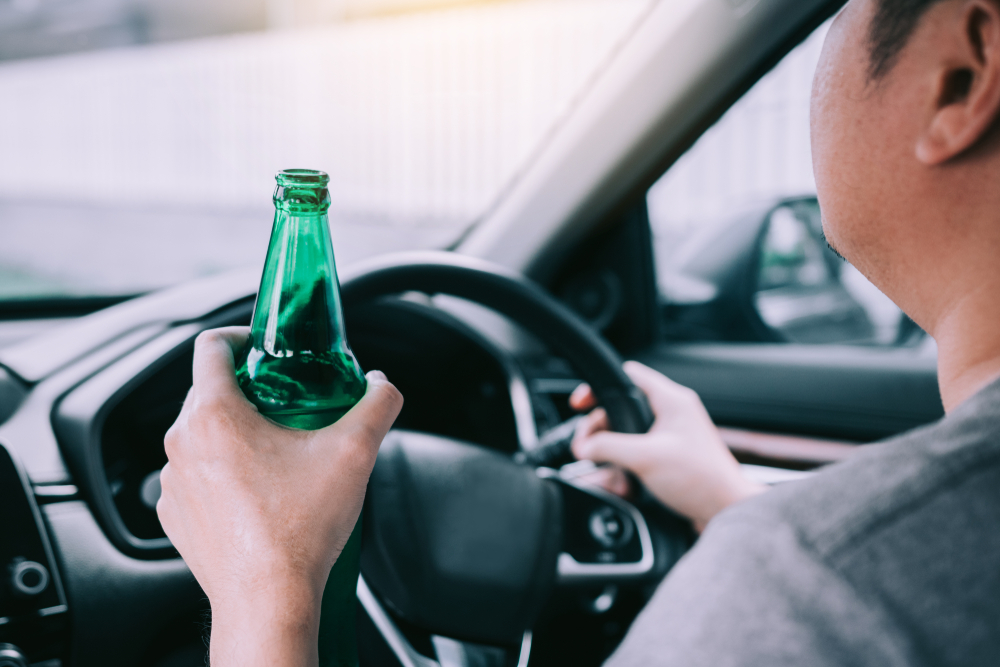
“Operating” Does Not Always Mean What People Think
Texas courts have interpreted “operating” broadly. A person does not necessarily have to be seen driving down the road to be accused of operating a motor vehicle. Courts often look at whether the person took action to affect the functioning of the vehicle in a manner that would enable its use. That can include more than simply steering a moving car.
However, the State still must prove operation beyond a reasonable doubt. Sitting in a car is not automatically operating. Sleeping in a car is not automatically operating. Being near a car is not automatically operating. Possessing keys is not automatically operating. The facts matter. Where was the person seated? Was the engine running? Was the vehicle capable of movement?
Were the lights on? Was the car in gear or park? Was the person asleep or awake? Was there evidence the vehicle recently moved? Did anyone witness driving? Did the person admit driving? Did the officer make assumptions? These details can determine whether the case is defensible.
Why Officers Arrest People Even When They Did Not See Driving
Police officers often arrest people for DWI without personally seeing them drive because they believe circumstantial evidence proves operation. Circumstantial evidence is evidence that requires an inference. For example, an officer may arrive at an accident scene and find one person standing near a damaged vehicle. The officer may infer that person was the driver. Or an officer may find someone asleep behind the wheel of a running vehicle in a parking lot and infer that the person operated it.
Circumstantial evidence can be used in court, but it is not always strong enough. A Houston DWI defense attorney’s job is to test those assumptions. Was there another possible driver? Did the vehicle move recently? Was the person simply using the car for shelter? Was the person trying to sleep it off rather than drive? Was the vehicle on private property?
Did the officer confirm the timeline? Did the officer look for witnesses? Did the officer review surveillance footage? DWI cases are often won by showing that the officer’s assumptions are not proof beyond a reasonable doubt.
Common Not-Driving DWI Situations
Not-driving cases tend to follow a handful of recurring fact patterns. The sections below explain how each of these situations can be analyzed under Texas law.
Can You Get a DWI for Sleeping in a Parked Car?
One common scenario involves someone sleeping in a parked vehicle after drinking. In many ways, this can be responsible behavior. A person may realize they should not drive and decide to sleep in the car instead of risking the road. Unfortunately, police may still investigate and arrest that person for DWI depending on the circumstances.
These cases require detailed analysis. If the vehicle was legally parked, the engine was off, the person was asleep in the back seat, and there is no evidence of recent driving, the defense may have a strong argument that the State cannot prove operation. On the other hand, if the person is asleep in the driver’s seat, the engine is running, and the keys are in the vehicle, prosecutors will likely argue operation.
The difference between those facts is enormous. The defense must examine every detail, including the location of the vehicle, the position of the person, whether the engine was running, whether the vehicle was legally parked, whether the person intended to drive, and whether there is evidence the vehicle moved while the person was intoxicated.
DWI When the Engine Was Running
A running engine is often important evidence, but it does not automatically prove DWI. Prosecutors may argue that starting the engine affects the functioning of the vehicle and therefore constitutes operation. In some cases, that argument may be strong. However, there may be innocent explanations. A person may start the engine to use air conditioning in Houston heat, to use the heater during cold weather, to charge a phone, or to listen to the radio.
In Houston, where summer temperatures can be extreme, sitting in a parked vehicle without air conditioning can be unsafe. If someone started the engine only to cool the car while waiting for a ride or sleeping, the defense may argue that the person was not operating the vehicle in the way contemplated by the DWI statute. The exact facts and case law matter, but a running engine should never be treated as an automatic conviction.
Where the person is sitting could be the key factor. You are more likely to be deemed driving if you are sitting in the drivers seat.
Keys in the Ignition
The presence of keys can be relevant, but it is not conclusive. Older vehicles require keys in the ignition. Newer vehicles may use push-button start or proximity key fobs. A person may have keys in their pocket, cupholder, purse, console, or ignition without intending to drive. Prosecutors may argue that access to keys shows the ability to operate the vehicle.
The defense may respond that ability is not the same as proof of operation while intoxicated. This distinction matters. If the person never moved the vehicle, never placed it in gear, and never attempted to drive, the State’s operation evidence may be weak.
Sitting in the Driver’s Seat
Being in the driver’s seat is one of the facts prosecutors like to emphasize. It may support an inference of operation, especially if combined with a running engine, headlights, gear position, or location in a roadway. But again, it is not automatic. People sit in the driver’s seat for many reasons. They may be waiting for a ride, looking for their phone, charging a device, sleeping, hiding from bad weather, or avoiding driving after drinking.
The question is not whether the person was in the driver’s seat. The question is whether the State can prove the person operated the motor vehicle in a public place while intoxicated.
Back Seat or Passenger Seat Cases
Cases are usually more defensible when the person is found in the passenger seat or back seat. Those facts may support the argument that the person was not operating the vehicle. But prosecutors may still try to prove operation through circumstantial evidence. They may argue that the defendant drove earlier and moved to another seat before police arrived.
They may rely on admissions, witness statements, 911 calls, surveillance video, vehicle ownership, or the absence of other people nearby. The defense must investigate whether those inferences are supported by real evidence or mere speculation.
Accident Cases Where Police Arrive Later
Another common situation involves accidents. Police arrive after a crash and assume the person near the vehicle was the driver. Sometimes that assumption is correct. Sometimes it is not. Accident cases raise several defense issues. First, the State must prove who was driving. Second, the State must prove when the driving occurred.
Third, the State must prove the person was intoxicated at the time of driving. These are separate questions. If the officer did not witness the crash and there are no reliable witnesses, identity and timing may become contested. A person may be near the car because they were a passenger, owner, helper, or bystander.
A person may have consumed alcohol after the crash. A significant delay may create rising blood alcohol issues. Accident DWI cases should be carefully investigated before assuming the State can prove its case.
“I Was Just Waiting for a Ride”
Many people arrested for DWI explain that they were waiting for Uber, Lyft, a friend, or a family member. This explanation should be investigated, not dismissed. Phone records may show ride-share activity, text messages asking for a ride, call logs, location data, or app history. If the client had already requested a ride or was communicating with someone to pick them up, that can support the defense that they were not intending to drive.
In some cases, this evidence can be powerful because it shows responsible behavior. A person who decides not to drive after drinking should not automatically be treated the same as someone driving intoxicated down the freeway.
“I Pulled Over Because I Knew I Should Not Drive”
Some defendants admit they drove earlier but argue they stopped because they realized they should not continue. This can be a difficult but important factual issue. If the State can prove the person operated while intoxicated before pulling over, the case may still proceed. However, the timing matters. Was the person intoxicated while driving, or did alcohol absorption increase later?
Did the officer personally observe bad driving? Was the vehicle safely parked? How long had the person been stopped? Did the person consume alcohol after stopping? Did the person call for help? These facts may affect whether the State can prove intoxication at the time of operation.
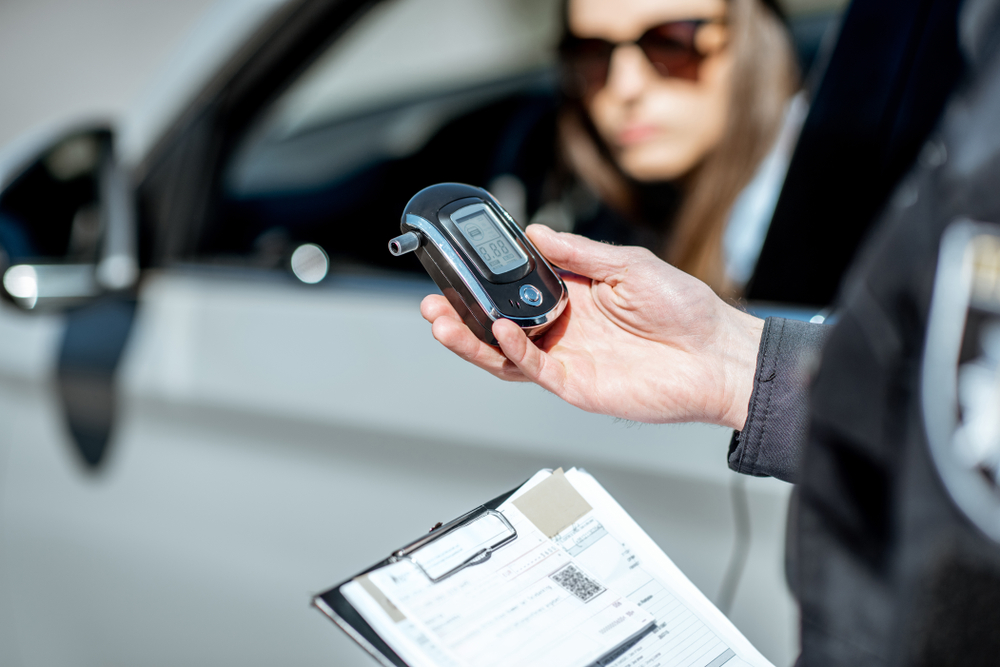
The Time of Driving Problem
In not-driving cases, time is often the defense. Texas DWI law focuses on intoxication while operating. If the State proves a person was intoxicated at 2:30 a.m. but cannot prove they operated the vehicle at that time, there may be reasonable doubt. This issue is especially important where police arrive after the alleged driving occurred.
The longer the delay, the harder it may be for the State to connect intoxication to operation. For example, if a person is found near a parked vehicle an hour after it was last driven, the State may have difficulty proving the person was intoxicated when the vehicle moved.
The defense should build a timeline using dispatch logs, 911 calls, body camera timestamps, breath or blood test times, witness statements, receipts, phone records, and surveillance video.
Post-Driving Drinking
Post-driving drinking can create a major defense in certain cases. Imagine a person drives sober to a parking lot, parks legally, and then drinks alcohol inside the vehicle while waiting for a friend. Police arrive later and arrest the person for DWI. The State may prove intoxication when police arrived, but can it prove intoxication while operating?
That is the key issue. Prosecutors may be skeptical of post-driving drinking claims, so documentation matters. Receipts, open containers, witness statements, text messages, timestamps, surveillance video, and timeline evidence may help support the defense. The issue is not whether drinking occurred. The issue is whether the State can prove the required timing beyond a reasonable doubt.
Rising Blood Alcohol in Not-Driving Cases
Rising blood alcohol is especially important when police did not witness driving. Alcohol does not absorb instantly. A person’s alcohol concentration can continue rising after the person stops driving. If testing occurs much later, the reported breath or blood alcohol concentration may not reflect the person’s alcohol level at the time the vehicle was operated.
This can matter when someone drank shortly before leaving, stopped driving quickly, or was tested long after police arrived. In some cases, a forensic toxicologist may be needed to evaluate absorption, elimination, drinking pattern, food intake, body weight, timing, and whether the person may have been below 0.08 at the actual time of operation.
The State Must Prove Public Place
Texas DWI also requires operation in a public place. A public place generally includes locations where the public or a substantial group of the public has access, including roads, highways, apartment complex parking lots, business parking lots, and many other areas. But public place can still become an issue depending on the facts. If the vehicle was on private property with restricted access, gated property, private land, or a non-public area, the defense may examine whether the State can prove this element.
Houston and Harris County cases may involve apartment complexes, private driveways, gated communities, commercial lots, business yards, tow yards, industrial sites, and private event spaces. The exact location matters.
Private Driveway Cases
A person found in a private driveway may still be investigated, but the public place element becomes more important. A private residential driveway is not the same as a public roadway. If the State cannot prove operation in a public place, a DWI conviction may be difficult. Prosecutors may attempt to prove the person drove on a public road before reaching the driveway.
The defense may challenge whether that is speculation or supported by evidence. Did anyone see the vehicle on the road? Did the officer observe driving? Are there tire tracks, surveillance videos, or admissions? Without evidence connecting the person to public operation, the State may have a problem.
Disabled Vehicle Cases
Sometimes police find someone inside or near a disabled vehicle. The car may have a flat tire, dead battery, mechanical failure, crash damage, or no fuel. Prosecutors may argue the person operated the vehicle before it became disabled. The defense may focus on whether the State can prove when, where, and by whom the vehicle was operated.
If the vehicle was incapable of movement when police arrived, the officer’s observations at that moment may not prove operation. A disabled vehicle case may require investigation into tow records, repair records, crash evidence, vehicle diagnostics, surveillance video, and witness statements.
Passenger Misidentified as Driver
Passengers are sometimes wrongly accused of being drivers. This can happen after accidents, when multiple people leave a vehicle, when the actual driver flees, or when police arrive after the vehicle has stopped. Officers may assume the owner was driving, assume the person closest to the vehicle was driving, or rely on an unreliable witness. The defense should investigate alternative-driver evidence.
Who owned the vehicle? Who had access to keys? Were there fingerprints or DNA issues? Did airbags deploy? Where were injuries located? Did seatbelt marks match the claimed driver position? Did witnesses give inconsistent accounts? Did surveillance video capture the occupants? In crash cases, accident reconstruction evidence may help determine who was actually driving.
Admissions and Statements
Statements are often central in not-driving DWI cases. If a person says, “I was driving,” prosecutors will rely heavily on that admission. But even admissions should be carefully examined. Was the person in custody? Were Miranda warnings required? Was the statement recorded? Was the question clear? Did the officer paraphrase the answer?
Was the person confused, injured, intoxicated, medically impaired, or trying to protect someone else? Did the person admit driving at some point earlier, or driving while intoxicated? Those are different things. A person may truthfully say they drove earlier without admitting they were intoxicated when they drove. The wording matters.
The Danger of Police Assumptions
Not-driving DWI cases often involve assumptions piled on assumptions. The officer assumes the defendant drove because they were near the car. The officer assumes the defendant drove recently because the engine was warm. The officer assumes the defendant was intoxicated while driving because they appeared intoxicated later.
The officer assumes there was no other driver because no one else was nearby. Each assumption may sound reasonable in isolation, but the legal standard is proof beyond a reasonable doubt. A defense attorney’s job is to separate evidence from speculation.
Evidence That Can Help Prove You Were Not Driving
Strong not-driving defenses often depend on independent evidence. Helpful evidence may include ride-share records, phone GPS data, text messages, call logs, receipts, surveillance video, 911 calls, witness statements, vehicle location history, toll tag records, parking records, valet tickets, hotel records, apartment gate logs, workplace badge access records, tow records, and body camera footage. Each piece of evidence can help build a timeline and challenge the State’s version of events.
For example, a text message saying “I’m sleeping in my car, come get me” sent before police arrived may support the defense. A Lyft receipt may show the person intended not to drive. Surveillance footage may show another person driving the vehicle. The key is acting quickly before evidence disappears.
Why Surveillance Video Matters
Houston is filled with surveillance cameras. Restaurants, bars, gas stations, apartment complexes, parking garages, office buildings, hotels, convenience stores, and private homes often have cameras that may capture important moments. Unfortunately, many systems overwrite footage quickly. Waiting too long can mean losing the best evidence.
In not-driving DWI cases, surveillance may show who drove, when the vehicle arrived, whether the defendant moved seats, whether another person left the area, or whether the vehicle never moved. Early investigation is critical.
911 Calls and Witness Reliability
Many DWI investigations begin with a 911 call. A caller may report a suspected drunk driver, crash, sleeping person, or suspicious vehicle. The State may rely on that call to support operation. But 911 calls are not always accurate. Callers may be mistaken, biased, angry, or unable to see clearly.
A caller may describe the wrong vehicle, assume someone was driving, or exaggerate. The defense should obtain and review the 911 call, caller information when available, dispatch notes, and officer response timeline. Sometimes the call helps the State. Sometimes it helps the defense by showing uncertainty or contradictions.
Body Camera Footage in Not-Driving Cases
Body camera footage is often the most important evidence. It may show exactly where the person was found, what the officer asked, what the person said, whether other people were present, whether the engine was running, whether keys were visible, whether the vehicle was in park, whether the officer investigated alternative drivers, and whether the officer made assumptions.
It may also capture statements from witnesses or passengers that never make it into the report. Reviewing the full video, not just selected clips, is essential.
How a DWI Lawyer Challenges Operation
A Houston DWI lawyer may challenge operation in several ways. First, the attorney may argue the State lacks sufficient evidence that the defendant operated the vehicle. Second, the attorney may argue the State cannot prove operation occurred in a public place. Third, the attorney may argue the State cannot prove intoxication at the time of operation.
Fourth, the attorney may challenge statements or evidence obtained through constitutional violations. Fifth, the attorney may use cross-examination to show the officer failed to investigate alternative explanations. These arguments may be raised during negotiations, pretrial motions, or trial.
Common Prosecutor Arguments in Not-Driving DWI Cases
Prosecutors often argue that circumstantial evidence proves operation. They may point to the defendant’s location in the driver’s seat, keys, warm engine, running vehicle, vehicle damage, ownership, admissions, witness statements, or the absence of another driver. The defense must be prepared to address each point. A warm engine does not identify who drove.
Ownership does not prove driving. Sitting in the driver’s seat does not prove movement. A running engine may be for air conditioning. Admissions may be ambiguous. Witnesses may be wrong. Absence of another person nearby does not eliminate the possibility that someone else left before police arrived.
Why Not-Driving DWI Cases Can Be Defensible at Trial
Not-driving DWI cases can be strong trial cases because jurors understand the difference between suspicion and proof. Many jurors can imagine sleeping in a car to avoid driving, waiting for a ride, or being wrongly assumed to be the driver after an accident. If the defense can show that the officer failed to investigate thoroughly, the jury may have reasonable doubt. The State must prove its case; the defendant does not have to prove innocence.
Why Benavides Law Group Takes Not-Driving DWI Cases Seriously
At Benavides Law Group, we know that a DWI arrest is not the same as a DWI conviction. When a client says they were not driving, we do not dismiss that explanation. We investigate it. We review the videos, reports, dispatch records, testing timeline, officer assumptions, witness statements, and any evidence that may show the State cannot prove operation.
We understand Houston and Harris County DWI cases, and we know how important these charges are to our clients’ lives, licenses, jobs, families, and futures.
Contact a Houston DWI Lawyer if You Were Charged But Were Not Driving

If you were arrested for DWI in Houston, Harris County, Pasadena, Pearland, Katy, Cypress, Spring, Humble, Baytown, Sugar Land, The Woodlands, or the surrounding areas, and you were not actually driving, do not assume the case is hopeless. These cases can involve serious legal and factual defenses.
The State must prove operation, public place, and intoxication at the time of operation beyond a reasonable doubt. If police made assumptions, failed to locate witnesses, ignored surveillance video, misunderstood your statements, or arrested you simply because you were near or inside a vehicle, those issues may help your defense.
Contact Benavides Law Group at 713-222-2828 to schedule a confidential consultation with a Houston DWI attorney who can review your case, protect your rights, and begin investigating the evidence before it disappears.