If you have been arrested for Driving While Intoxicated (DWI) in Texas, it is easy to assume that the State already has enough evidence to convict you. Many people believe that once they have been arrested, especially if they submitted to a breath or blood test, there is little that can be done to fight the case.
Fortunately, that is not how the criminal justice system works. Every person charged with DWI is presumed innocent unless the State proves guilt beyond a reasonable doubt. That burden is much higher than many people realize. Prosecutors cannot simply tell a jury that a police officer believed someone was intoxicated. They must present reliable, admissible evidence proving every element of the offense.
Likewise, law enforcement officers must follow constitutional requirements throughout the investigation. If they fail to do so, critical evidence may be excluded from trial or the case may even be dismissed. At Benavides Law Group, we have represented clients facing DWI charges throughout Houston, Harris County, and the surrounding areas. One of the most common questions we receive is, "What defenses are available in my case?"
The answer depends entirely on the facts. There is no universal defense that works in every DWI prosecution. Instead, experienced Houston DWI lawyers carefully examine every aspect of the State's investigation to identify weaknesses, inconsistencies, constitutional violations, and scientific issues that may create reasonable doubt. This guide explains many of the most common defenses used in Texas DWI cases and why hiring an experienced Houston DWI attorney as early as possible can significantly improve your chances of obtaining a favorable outcome.
This guide is the first of two parts. It covers the earliest stages of a DWI case: the traffic stop, the arrest, field sobriety tests, medical conditions that mimic intoxication, and the constitutional protections that apply during the investigation. Part two, How to Challenge DWI Evidence in Houston, Texas, covers breath and blood test evidence, officer credibility, and whether the State can prove you were driving while intoxicated.
What Must the State Prove in a Texas DWI Case?
Before discussing defenses, it is important to understand what prosecutors are actually required to prove. Under Texas law, a person commits the offense of Driving While Intoxicated if they operate a motor vehicle in a public place while intoxicated. Although that definition appears simple, each part of it has legal significance. Prosecutors must establish that the defendant was operating a motor vehicle, that the operation occurred in a public place, and that the defendant was intoxicated at the time of driving.
If the State cannot prove even one of those elements beyond a reasonable doubt, the jury must return a verdict of not guilty. Many successful DWI defenses focus on one or more of these required elements rather than attempting to explain away every piece of evidence. Sometimes the issue is whether the defendant was actually operating the vehicle. In other cases, the dispute centers on whether intoxication existed at the precise time of driving rather than an hour later after testing occurred. Every DWI case begins with understanding exactly what the prosecution must prove.
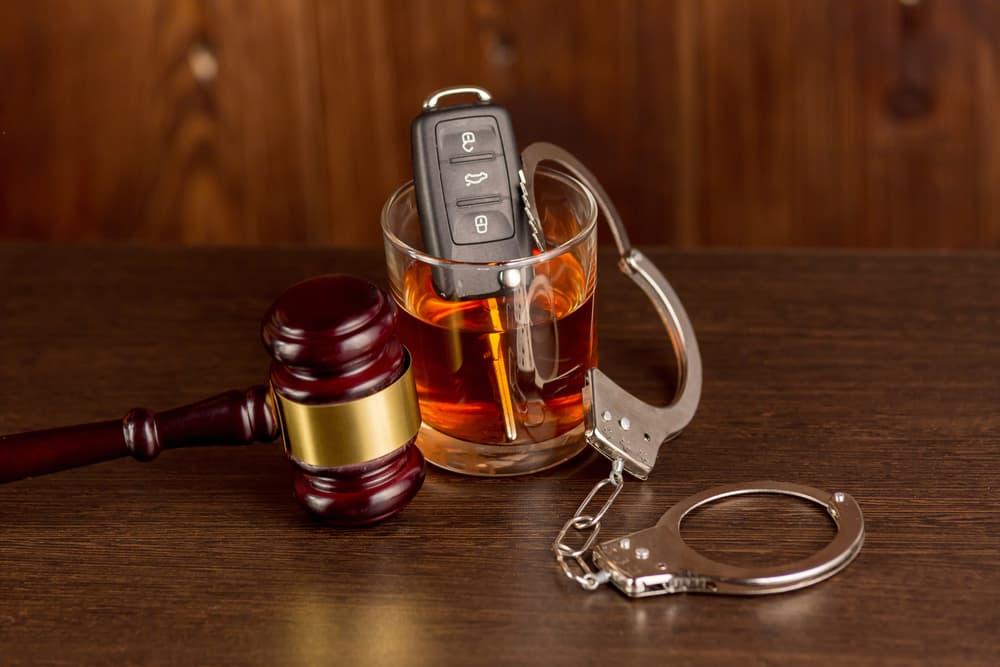
Every DWI Case Is Different
One of the biggest mistakes people make is comparing their case to someone else's. They may have a friend who was convicted after blowing a .09, while another person had a case dismissed despite a reported .12 breath test. Those outcomes do not necessarily conflict. Every DWI prosecution presents different facts, different witnesses, different police officers, different judges, different prosecutors, different scientific evidence, and different constitutional issues.
An experienced Harris County DWI lawyer does not simply ask what someone's blood alcohol concentration was. Instead, the attorney evaluates the entire investigation from beginning to end. Even cases involving high blood alcohol concentrations can have viable legal defenses if constitutional violations occurred or if the evidence itself is unreliable.
Illegal Traffic Stops
One of the strongest defenses in many DWI cases involves challenging the legality of the initial traffic stop. Police officers cannot stop a vehicle merely because they have a hunch that someone might be intoxicated. The Fourth Amendment requires reasonable suspicion that a crime or traffic violation has occurred. This means the officer must be able to identify specific, articulable facts that justified stopping the vehicle.
Examples may include speeding, failing to maintain a single lane, running a red light, driving without headlights, or committing another traffic violation. Sometimes officers claim they observed weaving within a lane, but video footage later shows perfectly normal driving. Other times, the alleged violation never actually occurred. If the traffic stop was unlawful, important evidence obtained afterward (including field sobriety tests, admissions, breath tests, and blood tests) may be subject to suppression. Without that evidence, prosecutors may have little or no case remaining.
Lack of Reasonable Suspicion
Closely related to an illegal traffic stop is the issue of reasonable suspicion. Officers often describe observations such as "driving suspiciously" or "appeared impaired," but those conclusions alone are insufficient. Courts require objective facts supporting the stop. Simply driving late at night, leaving a restaurant, leaving a sporting event, or driving in an area with numerous bars does not automatically justify a traffic stop.
Likewise, momentarily touching a lane marker or making a perfectly legal turn is not necessarily evidence of criminal activity. Defense attorneys frequently examine dash camera footage, body camera footage, dispatch records, and police reports to determine whether the officer's stated justification actually matches what occurred.
Lack of Probable Cause to Arrest
Even if the initial traffic stop was lawful, officers still need probable cause before placing someone under arrest for DWI. During the investigation, officers gather information through observations, conversations, and standardized field sobriety tests. Sometimes that evidence simply does not establish probable cause. A driver may smell of alcohol but show no signs of intoxication.
They may admit to having one or two drinks several hours earlier while exhibiting normal speech, balance, and coordination. An arrest cannot be based solely on the fact that someone consumed alcohol. Drinking is legal for adults. The issue is whether alcohol caused the loss of the normal use of mental or physical faculties or whether the person's alcohol concentration met the statutory limit. If probable cause was lacking, the arrest itself may be challenged.
The Officer Misinterpreted Normal Behavior
Many so-called signs of intoxication have perfectly innocent explanations. Police officers receive training to look for clues that may indicate impairment, but those clues are not exclusive to intoxication. Nervousness, fatigue, allergies, anxiety, medical conditions, and ordinary human behavior can produce many of the same observations. For example, an officer may report bloodshot eyes as evidence of intoxication.
However, bloodshot eyes can result from allergies, contact lenses, lack of sleep, smoke exposure, or long work hours. Likewise, slurred speech may actually reflect a speech impediment, dental work, fatigue, or a naturally soft-spoken manner of speaking. Even fumbling for documents during a traffic stop may be explained by stress.
Most people become nervous when confronted by law enforcement, regardless of whether they have consumed alcohol. A skilled DWI defense attorney examines whether the officer drew conclusions that were unsupported by the surrounding circumstances.
Challenging the Standardized Field Sobriety Tests
Standardized Field Sobriety Tests are often portrayed as highly accurate indicators of intoxication, but their reliability depends heavily on proper administration. The National Highway Traffic Safety Administration (NHTSA) developed standardized procedures that officers are expected to follow. If those procedures are ignored, the reliability of the tests decreases significantly.
The three standardized tests are the Horizontal Gaze Nystagmus test, the Walk-and-Turn test, and the One-Leg Stand test. Each has strict administration guidelines. Officers must provide proper instructions, demonstrate the tests correctly, and score only the clues recognized by NHTSA. Small deviations from these procedures can substantially affect the results.
Additionally, many people perform poorly for reasons unrelated to alcohol, including age, weight, physical injuries, balance disorders, neurological conditions, or uneven testing surfaces. Simply failing a field sobriety test does not automatically mean someone was intoxicated.
Problems with the Horizontal Gaze Nystagmus (HGN) Test
The Horizontal Gaze Nystagmus (HGN) test is often considered by law enforcement to be the strongest of the three standardized field sobriety tests. During the test, the officer asks the driver to follow a stimulus, usually a pen or small flashlight, with only their eyes while keeping their head still. The officer looks for involuntary jerking of the eyes, known as nystagmus, which can become more pronounced after alcohol consumption.
Although officers frequently testify that the HGN test is highly reliable, its accuracy depends almost entirely on proper administration. NHTSA requires officers to hold the stimulus at the proper distance from the subject's face, move it at a specific speed, check for equal pupil size and resting nystagmus before beginning, and perform the test under appropriate conditions. If any of these procedures are not followed, the results become less reliable.
There are also numerous medical conditions unrelated to alcohol that can produce nystagmus or similar eye movements. Inner ear disorders, certain neurological conditions, previous head injuries, eye muscle disorders, some prescription medications, and naturally occurring nystagmus may all affect the results. An experienced Houston DWI attorney will often compare the officer's testimony with the body camera footage to determine whether the HGN test was administered according to NHTSA standards.
Problems with the Walk-and-Turn Test
The Walk-and-Turn test requires a person to take nine heel-to-toe steps along a straight line, turn using a series of small steps, and return in the same manner.
At first glance, the test appears simple.
In reality, it is a divided-attention exercise that requires a person to simultaneously listen to instructions, remember those instructions, maintain balance, count steps, and perform specific physical movements.
Many completely sober people struggle with these tasks.
Numerous factors can affect performance, including:
- Age.
- Obesity.
- Knee injuries.
- Hip problems.
- Back pain.
- Poor footwear.
- Uneven pavement.
- Gravel.
- Rain.
- Wind.
- Fatigue.
- Anxiety.
For example, many Harris County DWI arrests occur after midnight. A nurse finishing a twelve-hour shift or a refinery worker leaving an overnight shift may naturally appear tired or have difficulty balancing, even though they are completely sober.
When officers fail to consider these alternative explanations, they may incorrectly conclude that alcohol caused the person's performance.
Problems with the One-Leg Stand Test
The One-Leg Stand test requires the driver to raise one foot approximately six inches off the ground while counting aloud until instructed to stop.
Again, this sounds easy.
However, standing on one leg for approximately thirty seconds is not a task most adults perform during normal daily life.
Numerous factors may influence performance, including:
- Age.
- Weight.
- Prior ankle injuries.
- Knee surgeries.
- Back conditions.
- Vestibular disorders.
- Balance problems.
- Pregnancy.
- Footwear.
- Uneven surfaces.
Many people instinctively put their foot down simply because they believe they have counted long enough or because they become uncomfortable.
That does not necessarily indicate intoxication.
A thorough review of body camera footage often reveals that the officer exaggerated the driver's performance or counted clues that should not have been counted under NHTSA standards.
Improper Administration of Field Sobriety Tests
One of the most common defenses in Texas DWI cases is that the field sobriety tests were simply not administered correctly.
Police officers receive specialized training, but they are human.
Mistakes happen.
Examples include:
- Giving incomplete instructions.
- Demonstrating the test incorrectly.
- Interrupting the subject while performing the test.
- Administering the tests on an unsafe surface.
- Conducting the tests in poor lighting.
- Failing to ask about medical conditions.
- Miscounting clues.
- Recording observations inaccurately.
These mistakes matter because prosecutors frequently rely on field sobriety tests to establish probable cause and persuade juries that the defendant was intoxicated.
If the tests themselves are unreliable, much of the State's case may become substantially weaker.
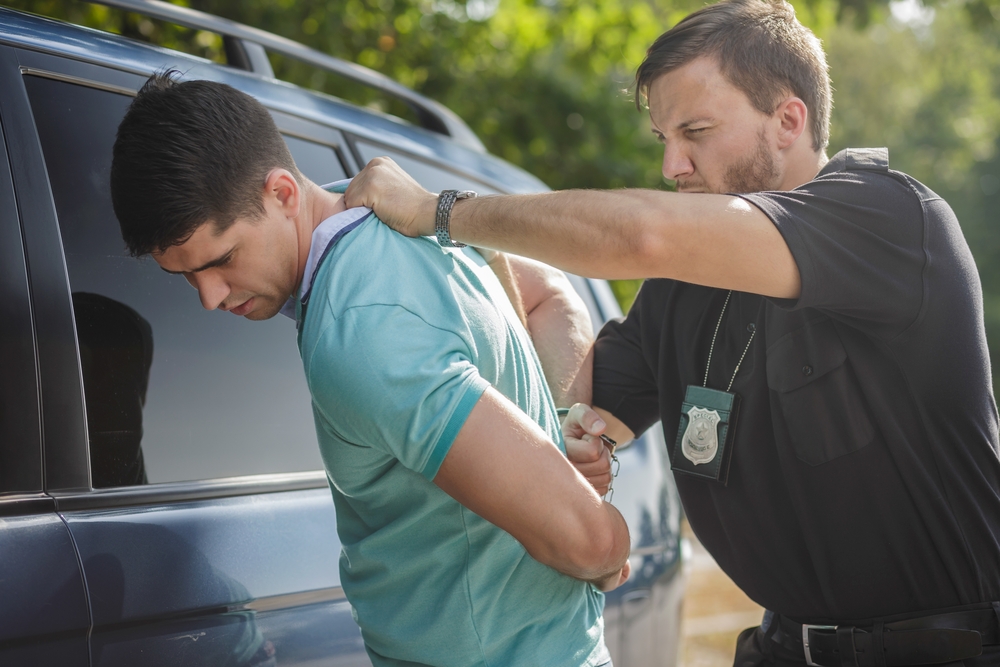
Medical Conditions Can Mimic Intoxication
One of the most overlooked defenses in DWI cases involves underlying medical conditions.
Many illnesses produce symptoms that closely resemble alcohol impairment.
Some examples include:
Diabetes and DWI Investigations
A diabetic experiencing hypoglycemia may appear confused, unsteady, sweaty, or disoriented.
Without proper evaluation, an officer may mistakenly believe these symptoms are caused by alcohol.
Neurological Disorders
Conditions such as multiple sclerosis, Parkinson's disease, traumatic brain injuries, and certain seizure disorders may affect balance, coordination, speech, and eye movements.
These symptoms can easily be mistaken for intoxication.
Vertigo and Balance Problems
Individuals suffering from vertigo or inner ear disorders often experience dizziness and balance problems.
A person with vertigo may struggle on field sobriety tests despite having consumed no alcohol whatsoever.
Fatigue and Exhaustion
Many people arrested for DWI are driving late at night after working long shifts.
Fatigue alone can cause:
- Bloodshot eyes.
- Slow responses.
- Poor coordination.
- Difficulty concentrating.
- Yawning.
- Slowed speech.
Those observations should not automatically be attributed to alcohol.
Anxiety and Nervousness on Roadside Tests
Being stopped by police is stressful.
Even innocent drivers frequently become nervous.
Anxiety may lead to:
- Trembling hands.
- Rapid speech.
- Forgetfulness.
- Difficulty following instructions.
- Shaking.
- Increased heart rate.
An experienced DWI defense lawyer looks beyond the officer's conclusions to determine whether innocent explanations better account for the observed behavior.
Constitutional Violations During the Investigation
The Constitution provides important protections that apply during criminal investigations.
When officers violate those protections, courts may suppress evidence obtained as a result of the violation.
Potential constitutional issues include:
Unlawful Detention
A traffic stop cannot continue indefinitely.
Once the purpose of the stop has been completed, officers generally must allow the driver to leave unless additional reasonable suspicion develops.
Prolonging a detention without legal justification may violate the Fourth Amendment.
Miranda Issues
Although not every roadside interaction requires Miranda warnings, statements obtained during custodial interrogation without proper warnings may become subject to challenge.
Whether Miranda applies depends on the specific circumstances of the encounter.
Illegal Searches
Officers may not search vehicles without legal authority.
Depending on the facts, evidence obtained during an unlawful search may be suppressed.
Constitutional litigation is often one of the most important aspects of an effective DWI defense.
Talk to a Houston DWI Lawyer About Your Stop or Arrest

Every DWI case is different, and the best defense depends on what the evidence shows. If you were stopped, tested, or arrested for DWI in the Houston area, Benavides Law Group can review how the investigation was handled. To discuss your case, contact Benavides Law Group at 713-222-2828 to schedule a confidential consultation.