If you hold a Commercial Driver's License (CDL), a Driving While Intoxicated (DWI) arrest is more than just a criminal case. It can threaten your livelihood, your professional reputation, your ability to support your family, and the career you have worked years to build. Commercial drivers often spend thousands of hours behind the wheel, maintain clean driving records, complete extensive training, and depend on their CDL to earn a living.
A single DWI arrest can place all of that at risk. Whether you drive an eighteen-wheeler, delivery truck, dump truck, tow truck, tanker, passenger bus, school bus, cement truck, utility vehicle, or another commercial motor vehicle, understanding your rights after a DWI arrest is critical. At Benavides Law Group, we understand that commercial drivers face consequences that extend far beyond criminal court.
A DWI can affect your CDL privileges, employment, future job opportunities, insurance, professional licensing, and financial stability. This comprehensive guide explains how Texas DWI laws affect commercial drivers, what happens after a CDL holder is arrested, the differences between driving a commercial vehicle and a personal vehicle, common defenses, and why hiring an experienced Houston DWI lawyer immediately after an arrest can make a significant difference.
Why a DWI Is Different for Commercial Drivers
For most drivers, a DWI charge creates concerns about jail, fines, driver's license suspension, and a criminal record. Upon conviction CDL holders can have their CDL suspended for 1 year. It can be a lifetime ban upon a 2nd conviction. Those consequences are serious enough on their own.
Commercial drivers, however, face an additional layer of consequences because federal and state regulations governing Commercial Driver's Licenses are much stricter than the rules that apply to ordinary driver's licenses. A commercial driver's ability to work often depends entirely on maintaining valid CDL privileges. Even a temporary loss of those privileges may result in unemployment, lost contracts, missed income, and long-term career damage.
Many employers also have internal policies that require drivers to report arrests immediately, meaning employment consequences can begin before the criminal case is ever resolved.
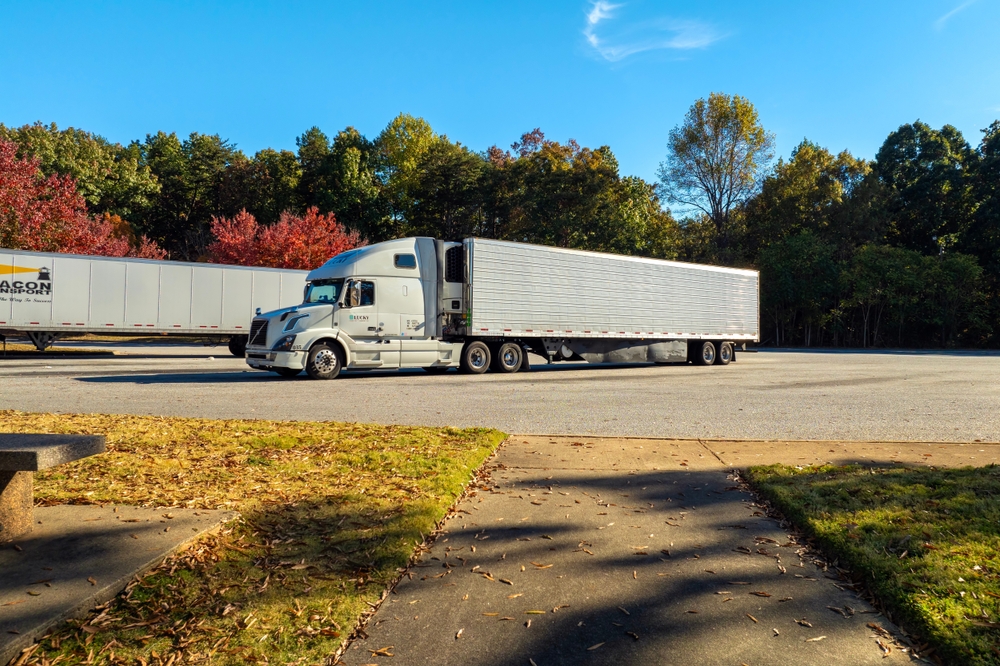
Understanding the Difference Between Your CDL and Your Criminal Case
One of the most common misconceptions among commercial drivers is that if they beat the criminal case, everything automatically returns to normal. Unfortunately, CDL issues and criminal proceedings often involve separate legal processes. Your criminal DWI case determines whether the State can prove the offense beyond a reasonable doubt.
Separate administrative proceedings may affect your driving privileges regardless of whether the criminal case has concluded. Employment decisions made by your company may involve entirely different standards. Understanding these separate processes is essential because protecting your CDL often requires addressing multiple legal issues simultaneously.
What Is the Alcohol Limit for Commercial Drivers in Texas?
One of the biggest differences between commercial drivers and ordinary motorists involves the legal alcohol concentration threshold while operating a commercial motor vehicle. Most Texas drivers are familiar with the general legal limit of 0.08 for DWI cases involving alcohol concentration. Commercial drivers operating commercial motor vehicles, however, are subject to much stricter federal standards.
A commercial driver operating a commercial motor vehicle may face serious CDL consequences with an alcohol concentration of 0.04 or higher. This lower threshold reflects the increased responsibility associated with operating large commercial vehicles capable of causing catastrophic injuries in the event of a collision.
Many commercial drivers are surprised to learn that conduct which might not place an ordinary driver over the legal alcohol limit may still create devastating consequences for a CDL holder.
Does the Lower 0.04 Limit Apply When Driving Your Personal Vehicle?
This is one of the questions commercial drivers ask most frequently. The answer is no. If you are driving your personal vehicle, Texas DWI law generally applies the same legal intoxication standards that apply to everyone else. However, that does not mean your CDL is protected. A DWI conviction involving your personal vehicle can still result in serious consequences for your Commercial Driver's License even though you were not operating a commercial motor vehicle at the time of the arrest.
Many CDL holders mistakenly believe they only have to worry about DWI laws while working. In reality, off-duty conduct involving a personal vehicle may still jeopardize a commercial driving career.
Why Commercial Drivers Face Stricter Rules
Commercial drivers operate vehicles that often weigh tens of thousands of pounds, transport hazardous materials, carry passengers, or travel long distances through densely populated areas. Because of the potential danger posed by impaired operation of these vehicles, both federal and state lawmakers have adopted stricter safety standards for CDL holders.
Employers, insurance companies, and regulatory agencies likewise expect commercial drivers to maintain exceptionally high standards of conduct. As a result, the consequences of a DWI arrest frequently extend beyond the courtroom.
Types of Commercial Drivers Affected by DWI Charges
Many people associate Commercial Driver's Licenses only with eighteen-wheelers. In reality, CDL holders work in a wide variety of industries throughout Houston and Southeast Texas. Commercial drivers affected by DWI charges may include long-haul truck drivers, local delivery drivers, fuel transport operators, construction vehicle operators, dump truck drivers, concrete truck drivers, tow truck operators, utility company drivers, passenger bus operators, charter bus drivers, school bus drivers, airport shuttle drivers, hazardous materials transport drivers, municipal vehicle operators, waste management drivers, and numerous other professionals.
Regardless of the specific occupation, protecting the CDL often becomes one of the highest priorities following a DWI arrest.
Houston's Commercial Driving Industry
Houston is one of the nation's busiest transportation hubs. Commercial drivers travel daily through Interstate 10, Interstate 45, Highway 59, Beltway 8, Loop 610, the Grand Parkway, the Port of Houston, petrochemical facilities, industrial complexes, shipping terminals, distribution centers, warehouses, refineries, and construction projects throughout Harris County and the surrounding region.
Because commercial transportation plays such an important role in the Houston economy, a large number of DWI arrests each year involve individuals whose careers depend upon maintaining CDL privileges.
What Happens Immediately After a CDL Holder Is Arrested for DWI?
The arrest itself often begins a series of legal and employment issues that require immediate attention. Depending on the circumstances, officers may seize the driver's license, provide temporary driving documentation, initiate administrative driver's license proceedings, obtain breath or blood samples, and file criminal charges.
Commercial drivers should not assume that simply waiting for the court date is the best course of action. Early legal intervention may preserve important rights, protect evidence, and position the defense for future negotiations or litigation.
Employment Issues Begin Quickly
Many trucking companies, transportation providers, and commercial employers require employees to report arrests promptly. Employment contracts, company policies, collective bargaining agreements, and federal regulations may all affect reporting obligations. Some employers immediately suspend drivers pending resolution of the criminal case.
Others conduct internal investigations before making employment decisions. Because every employer maintains different policies, commercial drivers should carefully review employment obligations while also consulting legal counsel before making decisions that could affect both the criminal case and employment status.
Insurance Consequences
Commercial vehicle insurance differs significantly from ordinary personal automobile insurance. Insurance carriers evaluate risk carefully because commercial vehicles often expose insurers to substantial financial liability. A DWI arrest may affect insurability, premium costs, employer insurance eligibility, and future employment opportunities. Even if a current employer retains the driver, future employers may evaluate insurance eligibility before extending job offers.

A Criminal Conviction Is Not Required for Career Consequences
One of the harsh realities facing commercial drivers is that employment consequences sometimes occur before the criminal case is resolved. Employers may suspend or terminate drivers based upon company policy, insurance requirements, or safety concerns rather than waiting for a conviction. Although this can be frustrating, it highlights the importance of working with an attorney who understands both the criminal case and the broader professional consequences facing CDL holders.
The Administrative License Revocation (ALR) Process for CDL Holders
Following many Texas DWI arrests, the driver's license becomes subject to separate administrative proceedings that are independent of the criminal prosecution. These proceedings often involve strict deadlines and different legal standards than those used in criminal court. Commercial drivers should pay particular attention to these deadlines because failing to act promptly may limit available options. An attorney can evaluate both the criminal case and the administrative driver's license issues simultaneously.
Should a CDL Holder Refuse a Breath or Blood Test?
Commercial drivers frequently ask whether refusing a breath or blood test protects their CDL. The answer depends on the specific facts of the case. Refusal may trigger administrative consequences under Texas law, and officers may still seek a search warrant authorizing a blood draw in appropriate circumstances.
The decision to refuse testing should never be evaluated through hindsight because every investigation develops differently. After an arrest occurs, however, an experienced Houston DWI lawyer should carefully examine whether officers complied with constitutional requirements, implied consent procedures, search warrant requirements, and applicable scientific protocols.
Breath Test Cases
If a commercial driver provides a breath specimen, the reported result should never be accepted automatically as accurate. Breath testing instruments require proper maintenance, calibration, observation procedures, and operation. Medical conditions, mouth alcohol issues, physiological differences, rising blood alcohol, and procedural errors may all affect the reliability of breath test evidence.
An experienced DWI attorney should obtain maintenance records, calibration logs, operator certifications, observation documentation, and other scientific evidence before evaluating the strength of the prosecution's case.
Blood Test Cases
Blood evidence often appears more persuasive than breath evidence, but it is not immune from challenge. Blood samples must be properly collected, labeled, preserved, transported, stored, and analyzed. Chain-of-custody issues, laboratory procedures, contamination, fermentation, analyst error, and constitutional issues may all become relevant. Commercial drivers should remember that a laboratory report is only as reliable as the procedures used to generate it.
The Importance of the Traffic Stop
Every DWI case begins with a traffic stop or other police encounter. Officers must possess legal justification before stopping a vehicle. Commercial vehicles are sometimes stopped because of alleged traffic violations, equipment violations, safety inspections, or reports from other motorists.
Even if officers ultimately suspect intoxication, the initial stop must still satisfy constitutional requirements. Dash camera footage, dispatch records, inspection documentation, and body camera recordings often become important evidence when evaluating the legality of the stop.
Field Sobriety Tests and Commercial Drivers
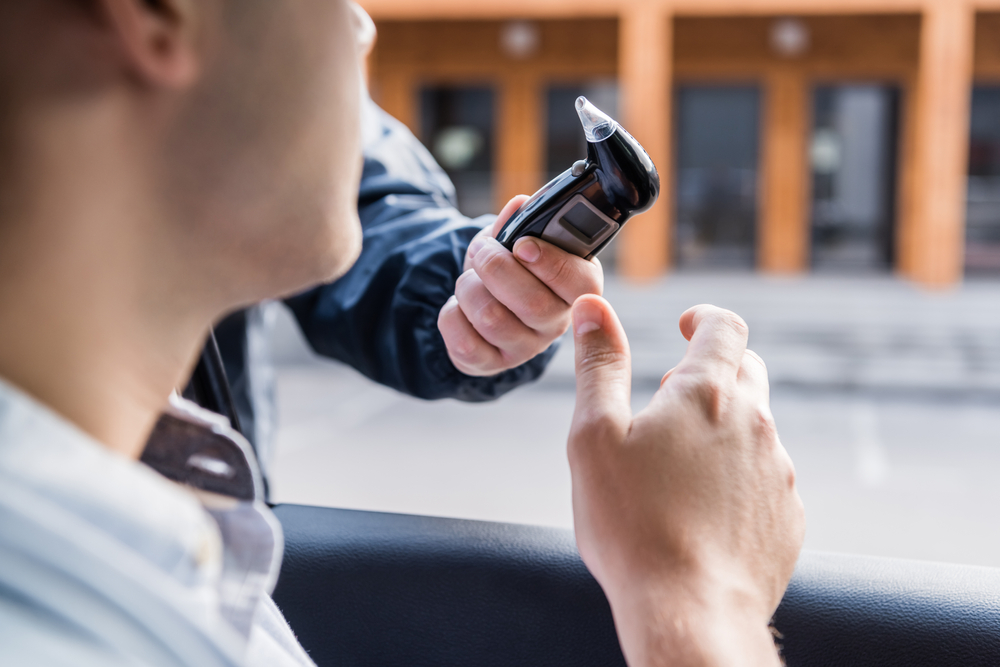
Commercial drivers are often expected to perform standardized field sobriety tests after a DWI stop. These tests include the Horizontal Gaze Nystagmus test, the Walk-and-Turn test, and the One-Leg Stand test. While prosecutors frequently rely on these exercises as evidence of intoxication, they are not foolproof. Commercial drivers often spend long hours sitting behind the wheel, loading cargo, climbing trailers, working overnight schedules, and performing physically demanding labor.
Fatigue, back injuries, knee problems, prior surgeries, arthritis, dehydration, and medical conditions may all affect performance. A poor performance does not automatically establish intoxication, particularly if the officer failed to properly administer the tests or ignored legitimate physical limitations.
Fatigue Is Common Among Commercial Drivers
Commercial transportation frequently involves long workdays, irregular sleep schedules, overnight routes, early morning departures, and demanding delivery deadlines. Fatigue can produce bloodshot eyes, slow speech, delayed responses, and reduced coordination. These same observations often appear in DWI police reports as alleged indicators of intoxication. An experienced Houston DWI lawyer should examine work schedules, logbooks, dispatch records, and employment records to determine whether fatigue provides an innocent explanation for the officer's observations.
Medical Conditions May Affect the Investigation
Commercial drivers, like everyone else, may suffer from diabetes, sleep apnea, orthopedic injuries, neurological disorders, acid reflux, vertigo, or other medical conditions that affect roadside testing or officer observations. For example, untreated sleep apnea may result in extreme fatigue. Diabetes may produce symptoms resembling intoxication. Acid reflux may become relevant in breath test cases. Medical records, treating physicians, and expert witnesses may help explain observations that officers mistakenly attributed to alcohol impairment.
A DWI Arrest Does Not Mean Automatic Conviction
One of the most important things commercial drivers should understand is that an arrest is not a conviction. Officers can make mistakes. Witnesses may be inaccurate. Field sobriety tests may be improperly administered. Breath or blood testing may contain scientific weaknesses. Constitutional violations may require suppression of important evidence. Every case deserves a thorough investigation before any conclusions are reached.
Common Defenses Available to Commercial Drivers Charged With DWI
Although commercial drivers face unique licensing and employment concerns, the legal defenses available in a Texas DWI case are often the same as those available to any other driver. The difference is that the stakes are frequently much higher because a conviction may jeopardize an entire career.
An experienced Houston DWI lawyer should carefully evaluate every aspect of the investigation rather than assuming the evidence is accurate simply because the defendant holds a CDL. Common defenses may include:
- Challenging the legality of the traffic stop. Police officers must have reasonable suspicion before stopping a commercial vehicle unless the stop is conducted pursuant to a lawful inspection authority. If the stop violated constitutional protections, important evidence obtained afterward may be subject to suppression. Dash camera video, dispatch records, inspection reports, and body camera footage often become critical when evaluating this issue.
- Challenging probable cause for the arrest. Even if the initial stop was lawful, officers must still establish probable cause before making a DWI arrest. Simply smelling alcohol or admitting to having one drink does not automatically establish intoxication. The totality of the evidence must support the arrest.
- Challenging field sobriety testing. Commercial drivers frequently have legitimate physical limitations caused by years of demanding work. Knee injuries, back problems, shoulder injuries, arthritis, fatigue, and prior surgeries may all affect performance during roadside exercises. If the officer failed to consider these limitations or administered the tests incorrectly, the reliability of the results may be substantially reduced.
- Challenging breath or blood test evidence. Scientific evidence is not automatically accurate. Breath testing instruments require proper maintenance and operation. Blood testing involves numerous collection and laboratory procedures that must be correctly followed. An attorney should obtain maintenance records, calibration records, laboratory documentation, analyst notes, and chain-of-custody evidence before evaluating the reliability of the reported results.
- Challenging officer credibility. Body camera footage sometimes contradicts written police reports. If the officer exaggerated observations, omitted important facts, or failed to follow proper procedures, those issues may significantly weaken the prosecution's case.
Commercial Drivers Should Never Assume a Positive Breath or Blood Test Ends the Case
Many CDL holders become discouraged after learning that a breath or blood test reported an alcohol concentration above the legal limit. While scientific evidence is important, it should never be accepted without careful review. Every scientific test has limitations. Breath testing instruments estimate blood alcohol concentration rather than measuring it directly.
Blood testing requires proper preservation, storage, transportation, and laboratory analysis. Human error, equipment issues, contamination, improper procedures, constitutional violations, and scientific assumptions may all become relevant. Some of the strongest DWI defenses involve challenging scientific evidence rather than disputing whether alcohol was consumed.
Rising Blood Alcohol Can Be Important
Commercial drivers often spend long hours traveling between destinations, stopping for meals, or waiting at loading facilities. The timing of alcohol consumption may become a significant issue in some cases. Alcohol is absorbed over time rather than instantaneously. A driver who consumed alcohol shortly before driving may have had a lower alcohol concentration while operating the vehicle than when a breath or blood test was administered later.
Because Texas law focuses on intoxication while operating the vehicle, the timing of drinking, driving, arrest, and testing deserves careful investigation. In appropriate cases, a forensic toxicologist may evaluate whether the driver's alcohol concentration was still increasing after the vehicle was stopped.
Prescription Medications and Commercial Drivers
Many commercial drivers lawfully take prescription medications for chronic pain, diabetes, high blood pressure, anxiety, sleep disorders, allergies, or other medical conditions. Taking medication as prescribed does not automatically establish intoxication. However, certain medications may produce side effects such as fatigue, dry mouth, dizziness, or slowed movements that officers may mistakenly interpret as signs of impairment.
In other situations, prosecutors may allege that prescription medications contributed to intoxication. These cases often require careful review of medical records, prescription histories, toxicology reports, and expert opinions before determining whether the State can meet its burden of proof.
Sleep Apnea and Fatigue
Sleep apnea is particularly common among commercial drivers because of long work hours, irregular sleep schedules, and the physical demands of the profession. Untreated sleep apnea may cause excessive daytime fatigue, slowed reaction times, bloodshot eyes, difficulty concentrating, and delayed responses. During a roadside investigation, these symptoms may resemble intoxication even when no alcohol impairment exists.
If a driver has been diagnosed with sleep apnea or was experiencing significant fatigue after a lengthy shift, those facts may become relevant in explaining the officer's observations.
Evidence Unique to Commercial Driver DWI Cases
Commercial driving cases often involve records and recordings that do not exist in an ordinary DWI case. The sections below cover the evidence that may become important.
Hours-of-Service Records May Become Important Evidence
Commercial drivers are generally familiar with federal hours-of-service regulations designed to reduce fatigue. These records may become valuable evidence in a DWI defense. For example, if electronic logging device records demonstrate that the driver had been working for an extended period or had only recently completed a lengthy route, fatigue may provide an alternative explanation for physical observations documented by law enforcement.
Employment records, dispatch logs, fuel receipts, GPS records, and delivery schedules may also help establish the driver's activities leading up to the traffic stop.
Dash Cameras Installed by Trucking Companies
Many commercial vehicles are equipped with inward-facing and outward-facing dash cameras. These recordings can be extremely valuable in defending a DWI case. The video may show that the driver maintained proper lane position, obeyed traffic laws, responded appropriately to surrounding traffic, and exhibited no signs of impaired driving before the stop.
In some cases, company dash cameras capture events that police dash cameras do not. Because some commercial fleet systems automatically overwrite recordings after a relatively short period, preserving this evidence immediately after an arrest is extremely important.
Electronic Logging Devices and GPS Data
Modern commercial vehicles generate enormous amounts of electronic information. Depending on the vehicle and employer, available data may include GPS location history, speed, braking events, engine activity, hours-of-service compliance, route history, and vehicle diagnostics. This information may corroborate the driver's timeline, contradict portions of the police report, or establish where the vehicle traveled before the traffic stop.
Electronic evidence often becomes an important part of the defense, particularly when questions arise regarding driving behavior or the timing of events.
Accident Cases Involving Commercial Drivers
Not every commercial driver arrested for DWI was stopped for a routine traffic violation. Some cases arise after traffic accidents. Following a commercial vehicle accident, investigators frequently conduct extensive investigations because of the potential for significant property damage or personal injury. However, the occurrence of an accident alone does not prove intoxication.
Fatigue, weather, equipment failures, mechanical defects, actions of other drivers, roadway construction, cargo shifts, tire failures, and numerous other factors may contribute to commercial vehicle accidents. Accident reconstruction, vehicle inspections, maintenance records, and expert testimony may all become important in determining what actually occurred.
Mechanical Problems Can Be Mistaken for Impaired Driving
Commercial vehicles are complex machines. Tire failures, brake issues, steering problems, suspension defects, cargo imbalance, high winds, shifting loads, and mechanical malfunctions may affect how a vehicle travels on the roadway. An officer observing unusual vehicle movement may initially suspect impaired driving when the true cause involves mechanical issues. Maintenance records, inspection reports, repair invoices, and expert mechanical evaluations may become valuable evidence in these situations.
Special CDL Categories and Reporting Requirements
Some commercial drivers face additional concerns because of the type of vehicle they operate or the rules that apply to CDL holders. The sections below cover those categories and reporting obligations.
Hazardous Materials Drivers Face Additional Concerns
Commercial drivers who transport hazardous materials often hold specialized endorsements requiring additional qualifications and regulatory compliance. A DWI arrest may place these endorsements at risk and create additional employment concerns because many employers have strict policies governing drivers transporting hazardous cargo. Protecting these specialized driving privileges often becomes a primary objective during the defense of the criminal case.
School Bus and Passenger Bus Drivers
Drivers responsible for transporting school children, church groups, public transit passengers, or charter passengers frequently face particularly strict employment policies following a DWI arrest. Public safety concerns often result in immediate administrative action by employers while criminal proceedings remain pending. Because these positions involve transporting passengers rather than freight, employers and licensing authorities may impose additional scrutiny during and after the criminal case.
Reporting Requirements for CDL Holders
Commercial drivers should familiarize themselves with any reporting obligations imposed by their employer, employment contract, union agreement, or company handbook. Some employers require immediate reporting of arrests, while others require reporting only after certain events occur. Failing to comply with employment reporting requirements may create additional workplace problems separate from the criminal case. Before making employment-related decisions, drivers should carefully review applicable policies and consult legal counsel when appropriate.
Why Pleading Guilty Too Quickly Can Be a Costly Mistake
Commercial drivers sometimes feel pressured to resolve a DWI case as quickly as possible because they want to return to work. While that reaction is understandable, pleading guilty without fully investigating the evidence may have permanent career consequences. Every DWI case should be thoroughly reviewed before any decision is made.
Surveillance video, body camera recordings, scientific evidence, witness statements, maintenance records, and constitutional issues all deserve careful analysis. Once a conviction occurs, the opportunities to challenge the evidence become significantly more limited.
Building a Defense Focused on Protecting Your Career
Representing a commercial driver requires looking beyond the criminal courtroom. A comprehensive defense strategy should consider the client's employment, CDL status, future career opportunities, insurance implications, regulatory issues, and financial stability. In many cases, preserving a client's ability to continue earning a living is just as important as addressing the immediate criminal charge. Developing that strategy begins with understanding the client's specific occupation, employer requirements, driving history, endorsements, and long-term professional goals.
Why Early Representation Is Critical for Commercial Drivers
Time is especially important in commercial driver DWI cases. Company dash camera footage may be automatically deleted. Electronic logging data may be overwritten. GPS information may become more difficult to obtain. Witness memories fade. Surveillance footage from businesses near the traffic stop may be erased.
Administrative driver's license deadlines may expire. Early legal representation allows an attorney to preserve evidence, communicate with prosecutors, evaluate constitutional issues, and begin protecting both the criminal case and the driver's professional future before valuable opportunities are lost.
Why Choose Benavides Law Group to Protect Your CDL
At Benavides Law Group, we understand that commercial drivers have far more at stake than a typical driver's license. Your CDL represents your career, your income, and your family's financial security. We carefully examine every aspect of the State's case, including the legality of the traffic stop, officer observations, field sobriety testing, breath and blood evidence, body camera footage, scientific testing procedures, and constitutional issues.
We also recognize the unique challenges faced by truck drivers, delivery drivers, bus drivers, hazardous materials drivers, and other CDL holders whose livelihoods depend upon maintaining commercial driving privileges. Every case is thoroughly investigated with the goal of identifying weaknesses in the prosecution's evidence and pursuing the best possible outcome.
Contact a Houston CDL DWI Lawyer Immediately After Your Arrest

If you are a commercial driver who has been arrested for DWI in Houston, Harris County, Pasadena, Baytown, Katy, Pearland, Sugar Land, Cypress, Spring, Humble, The Woodlands, or anywhere in Southeast Texas, do not wait to seek legal advice. The decisions made during the first days and weeks after an arrest may significantly affect both your criminal case and your commercial driving career.
Every DWI case presents unique legal and factual issues, and commercial drivers often face additional licensing and employment concerns that require immediate attention. Contact Benavides Law Group at 713-222-2828 to schedule a confidential consultation. We will carefully evaluate your case, explain your legal options, and begin building a defense designed to protect your CDL, your reputation, your livelihood, and your future.