If you have been arrested for Driving While Intoxicated in Houston or anywhere in Harris County, you may feel like the police report has already decided your future. The officer arrested you, the State filed a DWI charge, and now you are worried about your license, your job, your family, your record, and the possibility of jail.
Many people in this position assume that the police must have done everything correctly. That assumption is often wrong. DWI investigations are complicated. Officers must follow constitutional rules, Texas law, department policies, scientific procedures, and standardized testing protocols. When they make mistakes, those mistakes can create serious problems for the prosecution. In some cases, police mistakes can lead to evidence being suppressed.
In other cases, they may weaken the State’s case enough to help secure a reduction, dismissal, favorable plea agreement, or not guilty verdict at trial. At Benavides Law Group, we defend people charged with DWI throughout Houston, Harris County, and surrounding areas. One of the most important parts of DWI defense is not simply asking whether a client drank alcohol.
The real question is whether the State can prove every element of DWI beyond a reasonable doubt using legally obtained, reliable evidence. Under Texas Penal Code Section 49.04, the State must prove that a person was intoxicated while operating a motor vehicle in a public place. Texas Penal Code Section 49.01 defines intoxicated as either not having the normal use of mental or physical faculties because of alcohol, drugs, or another substance, or having an alcohol concentration of 0.08 or more.
That means prosecutors must prove more than “the officer thought you were drunk.” They must prove the legal elements of the offense. Police mistakes can matter because they affect whether the evidence is admissible, whether the evidence is credible, and whether the jury can trust the officer’s conclusions. This guide explains common police mistakes in Texas DWI cases, how those mistakes can help your defense, and why hiring an experienced Houston DWI lawyer early can make a major difference.
Do Police Mistakes Get a Texas DWI Case Dismissed?
Before discussing specific mistakes, it is important to be realistic. Not every police mistake results in a dismissal. Some errors are minor. Some can be corrected. Some may affect credibility but not admissibility. Others may become extremely important only when combined with other weaknesses in the case. For example, if an officer misspells your name in a report, that alone probably will not defeat the charge.
But if the officer claims you failed field sobriety tests and the body camera footage shows the tests were administered incorrectly, that can be significant. If the officer says you were swerving all over the road but the dash camera video shows ordinary driving, that can be powerful. If the officer stopped you without reasonable suspicion, the entire case may be placed in jeopardy.
A strong DWI defense usually comes from identifying multiple problems and showing how they affect the State’s ability to prove guilt beyond a reasonable doubt.
Mistakes During the Traffic Stop and Arrest
Many DWI cases are weakened by what happened before any test was given. The first four mistakes involve the traffic stop itself and the decision to make an arrest.
1. Stopping the Vehicle Without Reasonable Suspicion
One of the most important police mistakes in any DWI case is an unlawful traffic stop. Police officers cannot pull someone over simply because it is late at night, because the person left a bar district, because the driver has an out-of-county license plate, or because the officer has a “bad feeling.” The Fourth Amendment requires reasonable suspicion.
Reasonable suspicion means the officer must be able to point to specific facts showing that a traffic violation or criminal activity may have occurred. Common claimed reasons for DWI stops include speeding, failing to maintain a single lane, running a red light, making an unsafe lane change, driving without headlights, expired registration, or disregarding a stop sign.
The defense should never accept the officer’s stated reason without checking the evidence. Dash camera footage, body camera footage, dispatch notes, GPS data, and nearby surveillance video may show that the alleged violation did not happen or was exaggerated. In Houston DWI cases, stops often occur on busy roads like I-10, I-45, Highway 59, Highway 290, the West Loop, the North Loop, Washington Avenue, Midtown, Downtown Houston, the Heights, Montrose, and areas around restaurants, clubs, concerts, and sporting events.
Heavy traffic, construction zones, poor lane markings, and aggressive drivers can make ordinary driving look suspicious when viewed through the lens of a DWI investigation. If the officer did not have reasonable suspicion to initiate the stop, a Houston DWI attorney may file a motion to suppress. If the judge grants the motion, evidence obtained after the stop may be excluded. Without that evidence, the State may be unable to proceed.
2. Treating Normal Driving as Evidence of Intoxication
Many DWI reports contain vague language like “the vehicle was weaving,” “the vehicle failed to maintain a single lane,” or “the driver appeared unable to safely operate the vehicle.” Those phrases sound damaging, but they do not always match the video. Sometimes a driver touches a lane line once. Sometimes a vehicle moves slightly within a lane because of potholes, traffic, wind, construction, or road design.
Sometimes the officer follows a person for only a few seconds before initiating the stop. A brief moment of imperfect driving does not automatically equal intoxication. This matters because jurors are often more persuaded by video than by police report language. If the video shows the driver braking normally, signaling turns, staying within the lane, responding to traffic, and pulling over safely, that can help the defense argue that the officer’s suspicion was overstated.
The State must prove intoxication at the time of driving. Normal driving can be powerful evidence that the person had the normal use of mental and physical faculties.
3. Prolonging the Stop Without Legal Justification
Even when the initial stop is lawful, the officer cannot extend the detention forever. A traffic stop must be reasonably related to the reason for the stop unless additional reasonable suspicion develops. For example, if an officer stops someone for speeding, the officer may investigate the speeding violation. If the officer then wants to turn the stop into a DWI investigation, there must be facts supporting that decision.
The officer may point to odor of alcohol, bloodshot eyes, admission to drinking, open containers, slurred speech, confusion, or unsafe driving. But these facts should be carefully reviewed. Odor of alcohol does not tell the officer how much someone drank. Bloodshot eyes can come from allergies, fatigue, smoke, crying, contact lenses, or long work hours.
Admitting to one drink is not admitting to intoxication. If the officer lacked legal justification to prolong the stop, later evidence may be challenged.
4. Arresting Without Probable Cause
A lawful stop does not automatically justify an arrest. Before arresting someone for DWI, the officer must have probable cause to believe the person was intoxicated while operating a motor vehicle in a public place. Probable cause is more than a hunch. It requires facts and circumstances sufficient to support the arrest.
Police often rely on field sobriety tests, officer observations, admissions, driving facts, and sometimes a portable breath test. But each of those pieces of evidence may have weaknesses. A driver may smell like alcohol but speak clearly. A driver may admit to drinking earlier but perform well on video. A driver may have bloodshot eyes because it is 2:00 a.m. and they just finished working.
A driver may decline field sobriety tests because they are nervous, injured, or do not trust the process. If probable cause was lacking, evidence obtained after the arrest, including breath or blood test evidence, may be challenged.
Mistakes in Reading the Signs of Intoxication
Officers often treat common, innocent observations as proof of intoxication. The next four mistakes involve how those observations are interpreted.
5. Assuming Alcohol Consumption Equals Intoxication
This is one of the most common mistakes in DWI investigations. Drinking and driving is not automatically the same as Driving While Intoxicated. Texas law does not prohibit every adult from driving after consuming alcohol. The legal question is whether the person was intoxicated while operating the vehicle.
That means the State must prove loss of normal use of mental or physical faculties or an alcohol concentration of 0.08 or more. Officers sometimes treat any admission to drinking as evidence of guilt. But “I had two drinks with dinner” is not a confession to DWI.
A person can legally drink alcohol and still have the normal use of their faculties. A strong DWI defense often emphasizes this distinction. The officer may have jumped to conclusions because alcohol was present, even though the evidence did not prove intoxication.
6. Misinterpreting Odor of Alcohol
Police reports frequently mention “strong odor of alcoholic beverage.” This phrase appears in many DWI cases. But odor of alcohol is limited evidence. It may show that a person consumed alcohol, but it does not show how much alcohol they consumed, when they consumed it, or whether they were intoxicated. A person who had one drink may smell like alcohol.
A person who spilled alcohol on clothing may smell like alcohol. A person who was around others drinking may smell like alcohol. The officer also cannot reliably determine alcohol concentration based on odor. It is legal to smell like alcohol. It is legal to drink and then drive as long as you are under the legal limit, and have the normal use of your mental and physical faculties.
During cross-examination, an experienced Harris County DWI lawyer may highlight that odor alone does not prove loss of normal faculties and does not establish a blood or breath alcohol concentration.
7. Misreading Bloodshot or Watery Eyes
Bloodshot or watery eyes are among the most overused observations in DWI reports. In Houston, there are countless innocent explanations: allergies, humidity, smoke, dust, fatigue, contact lenses, crying, medical conditions, dry eyes, long work shifts, and lack of sleep. If someone is stopped late at night after leaving work, dinner, a concert, or a family event, tired eyes are not surprising.
The defense can use these alternative explanations to show that the officer relied on common, ambiguous observations rather than reliable proof of intoxication.
8. Treating Nervousness as Evidence of Guilt
Most people get nervous when stopped by police. That is normal. A person may shake, speak quickly, fumble with their wallet, forget where their insurance card is located, or ask repeated questions. Officers sometimes interpret these behaviors as signs of impairment. But nervousness is not intoxication.
In fact, sober people may become especially nervous when they know they had even one drink and fear being wrongly arrested. A defense attorney can explain to a jury that anxiety during a police encounter does not prove DWI.
Field Sobriety Test Mistakes
Field sobriety tests depend on proper instructions, fair conditions, and accurate scoring. The next four mistakes involve how those tests are given and interpreted.
9. Poor Field Sobriety Test Instructions
Field sobriety tests are only useful if they are administered correctly. The standardized field sobriety tests recognized by NHTSA are the Horizontal Gaze Nystagmus test, the Walk-and-Turn test, and the One-Leg Stand test. These tests have specific instructions, demonstrations, and scoring criteria. When officers give incomplete instructions, rush the driver, fail to demonstrate properly, interrupt the test, or score clues incorrectly, the results become less reliable.
This is especially important because many jurors assume field sobriety tests are simple. They are not. They are divided-attention tests performed on the side of the road, often late at night, under stressful conditions, while a police officer watches and grades every movement.
If the officer does not follow the rules, the defense can argue that the test results should not be trusted.
10. Administering Tests on an Unsafe or Unfair Surface
The Walk-and-Turn and One-Leg Stand tests should be performed under conditions that allow fair evaluation. In real Houston DWI investigations, that does not always happen. Drivers may be asked to perform tests on uneven pavement, sloped shoulders, gravel, wet roads, parking lots with cracks, poorly lit streets, or near moving traffic.
Footwear can also matter. Boots, heels, sandals, dress shoes, or work shoes may affect balance. Weather can matter too. Heat, humidity, rain, wind, and traffic noise can make testing more difficult. When the testing environment is unfair, poor performance may say more about the conditions than about intoxication.
11. Ignoring Medical Conditions and Injuries
A major police mistake is failing to ask meaningful questions about medical conditions before field sobriety testing. Many people have knee injuries, back pain, ankle problems, hip issues, neurological conditions, vertigo, diabetes, anxiety, traumatic brain injuries, or other conditions that affect balance, coordination, speech, or eye movement. Some officers ask a general question like, “Do you have any medical issues?”
But that may not be enough. A person may not immediately understand that an old sports injury, recent surgery, nerve issue, or balance disorder matters. If the officer ignores medical explanations and simply scores the test as failure, the defense may use medical records, photographs, prior injury history, or expert testimony to challenge the officer’s conclusions.
12. Misusing the Horizontal Gaze Nystagmus Test
The Horizontal Gaze Nystagmus test, often called HGN, is one of the most technical parts of a DWI investigation. During the test, the officer asks the person to follow a stimulus with their eyes while keeping the head still. The officer looks for involuntary jerking of the eyes.
But the HGN test must be administered properly. The officer must check for equal pupil size, resting nystagmus, and equal tracking. The stimulus must be held at the correct distance and moved at the proper speed. Environmental conditions matter. Flashing lights, passing cars, poor positioning, and officer mistakes may affect reliability.
Medical conditions, neurological issues, head injuries, eye disorders, and certain medications may also affect eye movement. When an officer treats HGN as automatic proof of intoxication without properly administering the test, that mistake can help the defense.
Police Report and Evidence Mistakes
A DWI case is only as strong as the records behind it. These three mistakes involve what officers write down and what evidence they fail to record or preserve.
13. Exaggerating Performance in the Police Report
Sometimes the police report sounds much worse than the video. The report may say the driver “stumbled,” “swayed,” “slurred speech,” or “failed to follow instructions.” But body camera footage may show the driver standing normally, speaking clearly, asking reasonable questions, and performing better than described. This gap between the report and the video is extremely important.
Jurors generally understand that video does not have a motive. If the officer exaggerates or uses boilerplate language, the defense can attack credibility. Once a jury doubts the officer’s description of one part of the investigation, it may begin questioning other conclusions as well.
14. Failing to Record Important Parts of the Investigation
Video evidence is critical in modern DWI defense. When important parts of an investigation are not recorded, the defense should ask why. Sometimes the officer’s body camera was not activated. Sometimes the dash camera angle missed the field sobriety tests. Sometimes audio is missing. Sometimes the breath test room video is incomplete.
Sometimes the officer claims something happened off camera. Missing video does not automatically dismiss a case, but it can create doubt. If the State wants a jury to trust the officer’s memory, the defense can argue that the missing recording would have been the best evidence.
15. Failing to Preserve Evidence
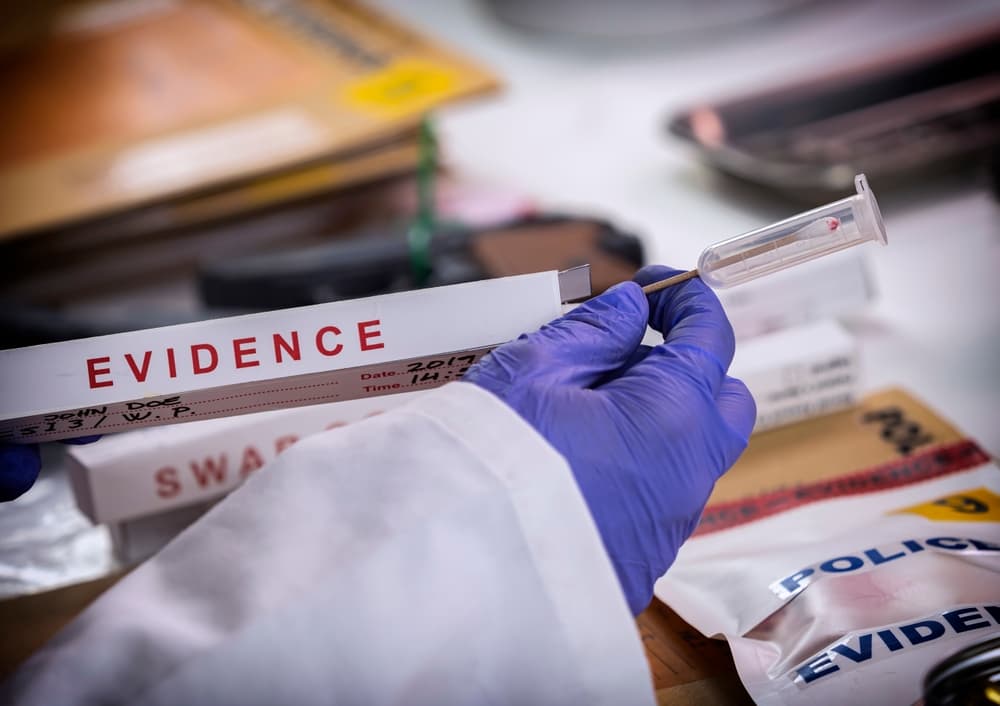
DWI cases often involve evidence beyond the officer’s report. There may be 911 calls, dispatch logs, body camera video, dash camera video, surveillance footage, jail video, breath test records, blood draw records, lab reports, maintenance logs, and witness statements. If law enforcement fails to preserve important evidence, the defense may be able to raise legal and factual challenges.
Early representation matters because some evidence can disappear quickly. A Houston DWI lawyer can send preservation requests, request discovery, and begin investigating before evidence is lost.
Breath Test, Blood Draw, and Search Warrant Mistakes
The final five mistakes involve chemical testing, from how a refusal is treated to how breath and blood evidence is collected and obtained.
16. Confusing Refusal With Guilt
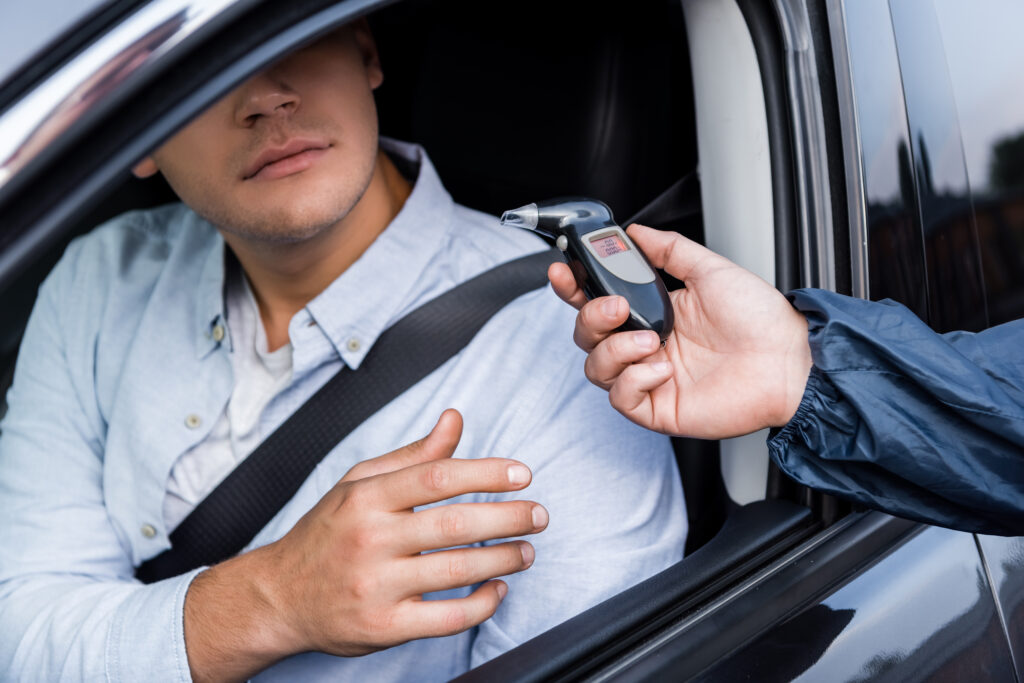
Many people refuse breath or blood testing because they are scared, confused, distrustful, afraid of needles, uncertain about their rights, or overwhelmed. Texas has implied consent laws for breath and blood specimens in certain intoxication-related arrests, and refusal can have license consequences and may be admissible in a criminal case.
But refusal does not automatically prove intoxication. Police sometimes treat refusal as a substitute for evidence. It is not. The State still must prove DWI beyond a reasonable doubt. If the rest of the evidence is weak, refusal alone may not be enough.
17. Mishandling Breath Test Procedures
Breath test cases involve strict procedures. The officer or breath test operator must properly observe the person before testing, operate the instrument correctly, document the process, and comply with applicable rules. Mistakes may include failing to conduct a proper observation period, allowing distractions, not checking for mouth alcohol, giving unclear instructions, or failing to document issues.
Breath testing does not directly measure blood alcohol. It estimates alcohol concentration from breath. Because of that, proper procedure matters. If the procedure is flawed, the reported number may become less persuasive.
18. Ignoring Rising Blood Alcohol
The State must prove intoxication at the time of driving, not merely at the time of testing. This distinction can be critical. Alcohol absorption takes time. A person may be under 0.08 while driving but over 0.08 by the time a breath or blood test is performed later.
Delays are common in Houston DWI cases. Officers may spend time on the roadside, administer field sobriety tests, call another officer, transport the person, wait at a testing location, complete paperwork, and then finally obtain a sample. If significant time passed between driving and testing, rising blood alcohol may be a defense.
Police sometimes ignore this issue and assume the later test result proves the earlier driving condition. That assumption may be wrong.
19. Blood Draw Problems
Blood testing sounds scientific and final, but blood evidence can be challenged. Police and medical personnel must follow proper collection procedures. The sample must be correctly labeled, preserved, stored, transported, and analyzed. Mistakes may involve improper tubes, contamination, chain-of-custody gaps, refrigeration issues, fermentation, lab errors, or analyst mistakes.
The officer’s role matters too. If the blood warrant was defective, the draw was unreasonable, or the paperwork does not support the State’s timeline, the blood test may be vulnerable. A blood result is only as reliable as the process used to obtain and test it.
20. Weak or Boilerplate Search Warrants
In many refusal cases, officers seek a blood search warrant. A warrant is not magic. The affidavit must establish probable cause. If the officer uses boilerplate language, omits important facts, exaggerates observations, or fails to provide enough case-specific detail, the warrant may be challenged. Judges sign warrants based on the facts presented. If those facts are misleading or insufficient, the defense may file motions attacking the warrant and seeking suppression of the blood evidence.
How Police Mistakes Create Reasonable Doubt
Not every mistake leads directly to suppression. But even mistakes that do not exclude evidence can create reasonable doubt. A jury may ask: If the officer was wrong about the driving, what else was wrong? If the field sobriety tests were not properly administered, why should we trust the conclusions? If the report exaggerated what happened, why should we rely on the officer’s opinion?
If the breath test procedures were sloppy, why should we accept the number? DWI defense is often about showing that the State’s case is not as clean as it first appears. Police mistakes help reveal that uncertainty.
Why Body Camera Footage Matters in a Houston DWI Case
One of the most important things a Houston DWI attorney can do is review every second of available video. Not just the obvious parts. Not just the arrest. Every second matters. The beginning of the stop may show normal driving. The roadside conversation may show clear speech. The field sobriety instructions may show officer mistakes.
The arrest decision may show weak probable cause. The transport video may show normal behavior. The breath test room video may show procedural problems. The jail video may show the client walking normally and communicating clearly. Many DWI defenses are discovered only because the video is reviewed carefully.
Why Benavides Law Group Looks for Police Mistakes in Every DWI Case

At Benavides Law Group, we do not assume the police got it right. We examine the case from beginning to end. That includes reviewing the traffic stop, officer observations, field sobriety testing, arrest decision, breath or blood testing, warrant paperwork, video evidence, and all available discovery. A DWI charge in Houston or Harris County can affect your license, employment, immigration concerns, professional reputation, family, finances, and future.
The State has the burden of proof. Our job is to make sure that burden is not lowered simply because an officer made an arrest. Call today for a confidential consultation – 713-222-2828.